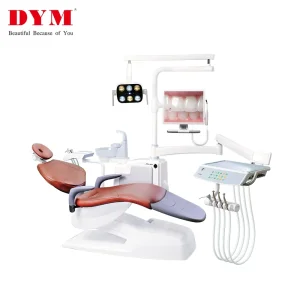
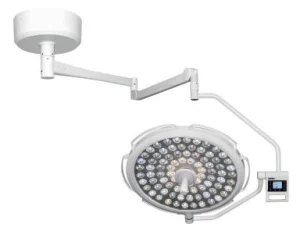
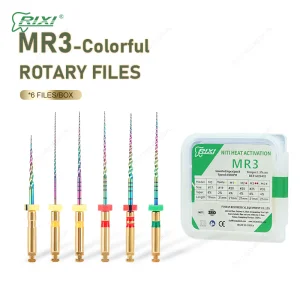
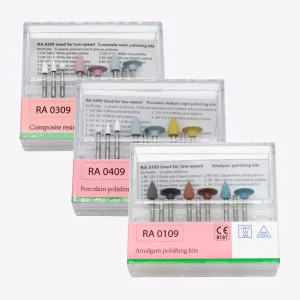
Explore our premium grade product offerings designed for clinical excellence, precision diagnostics, and procedural efficacy.
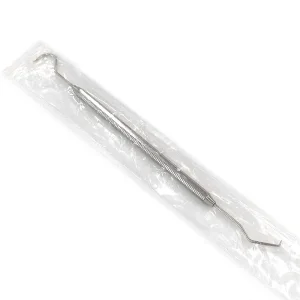
Manufacturing History
Autoclave Tested Steel
Certified Facility
Global Export Regions
The global dental instrument sector has experienced a profound shift toward specialized therapeutic solutions, specifically within periodontics. As periodontal disease and dental health awareness escalate internationally, the requirement for high-precision diagnostic and surgical tools has expanded. Historically dominated by European and North American suppliers, the market has undergone structural decentralization. Advanced CNC-grinding setups, vacuum heat treatment, and surface modification capabilities in key medical manufacturing hubs, particularly in China, have established new benchmarks for global distribution.
Today, periodontal instruments are not merely basic diagnostic steel pieces; they represent a delicate balance between metallurgy, ergonomics, and micro-precision mechanics. Modern clinical treatments demand sub-millimeter tolerances on curette tips, robust corrosion resistance for repeated sterilization cycles, and structural tensile strength that prevents intraoral fractures. This demanding industrial standard has prompted global DSOs (Dental Service Organizations) and distributors to partner directly with tier-1 manufacturers who offer vertically integrated production pipelines.
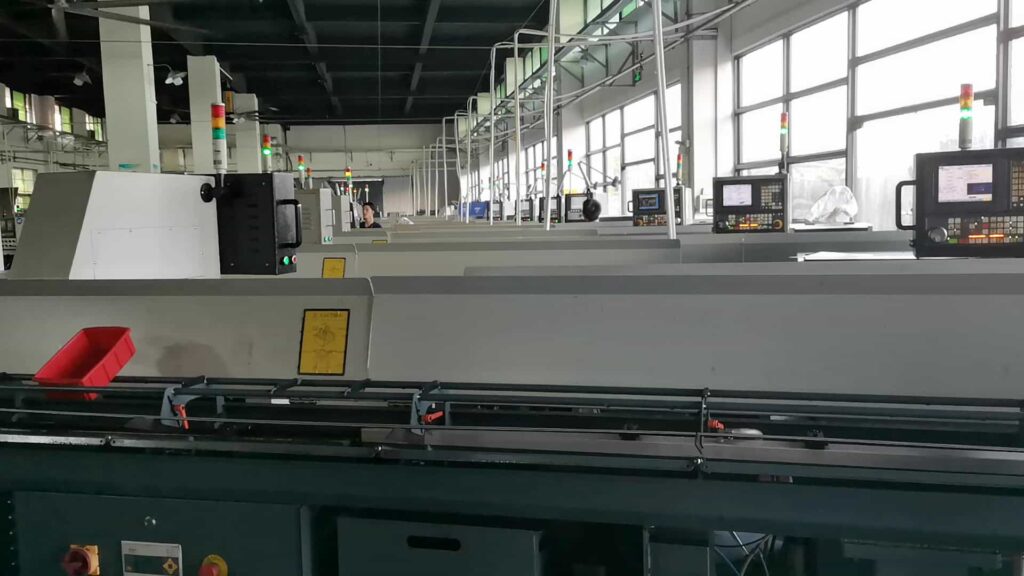
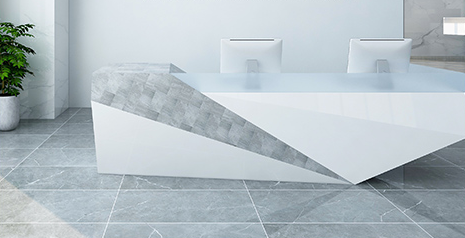
Guangzhou TRV Medical Instrument Co., Ltd. is located in the globally renowned dental manufacturing industrial cluster of Foshan, China. Focusing on the design, engineering, and distribution of premium dental and periodontal equipment, TRV Dental brings a history of more than 17 years to the global medical trade.
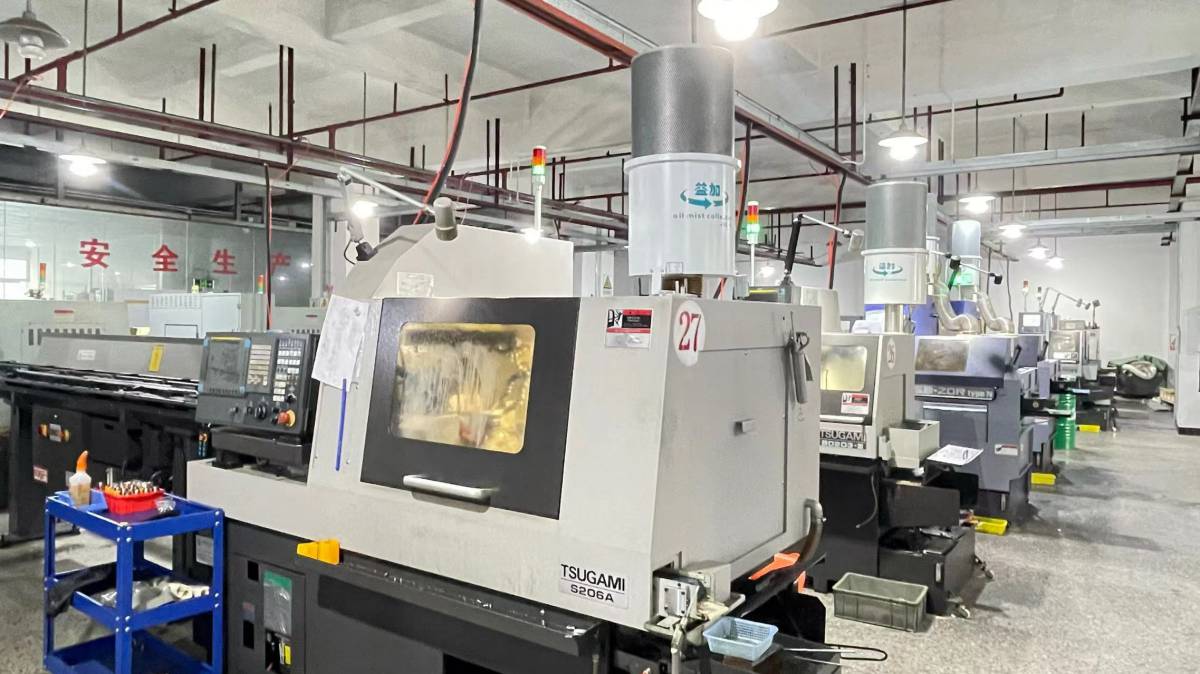
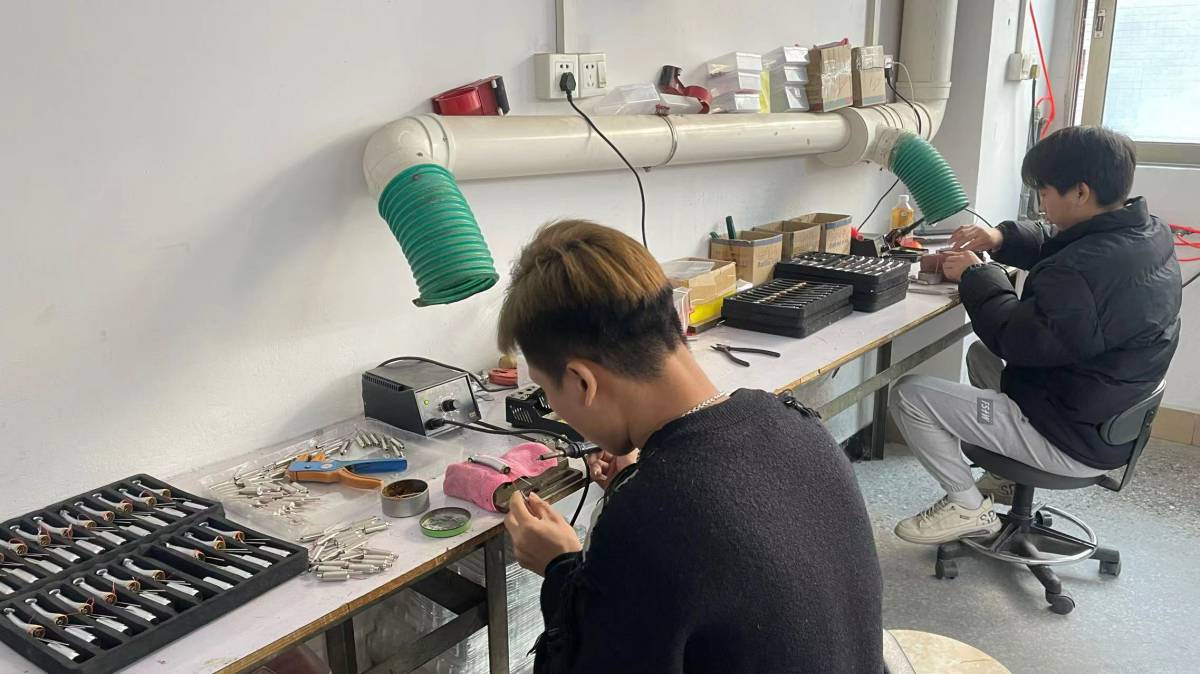
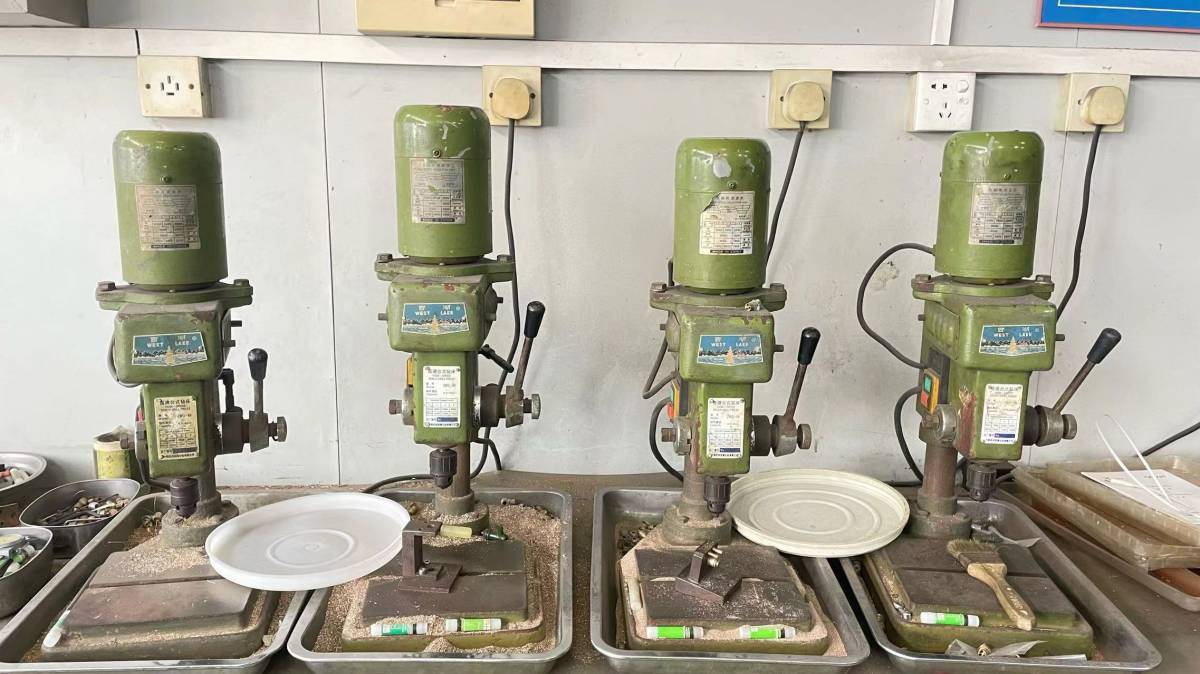
Driven by structural network integration and modernized platform engineering, and utilizing product development pipelines across dedicated manufacturing workshops, TRV Medical excels in consolidating supply chain resources. This structural advantage positions TRV Medical as a premier, high-quality partner for oral care clinics, distributors, and surgical clinics worldwide. Our machining facility shown here utilizes state-of-the-art multi-axis CNC equipment to achieve exceptional accuracy and consistency on surgical tips.
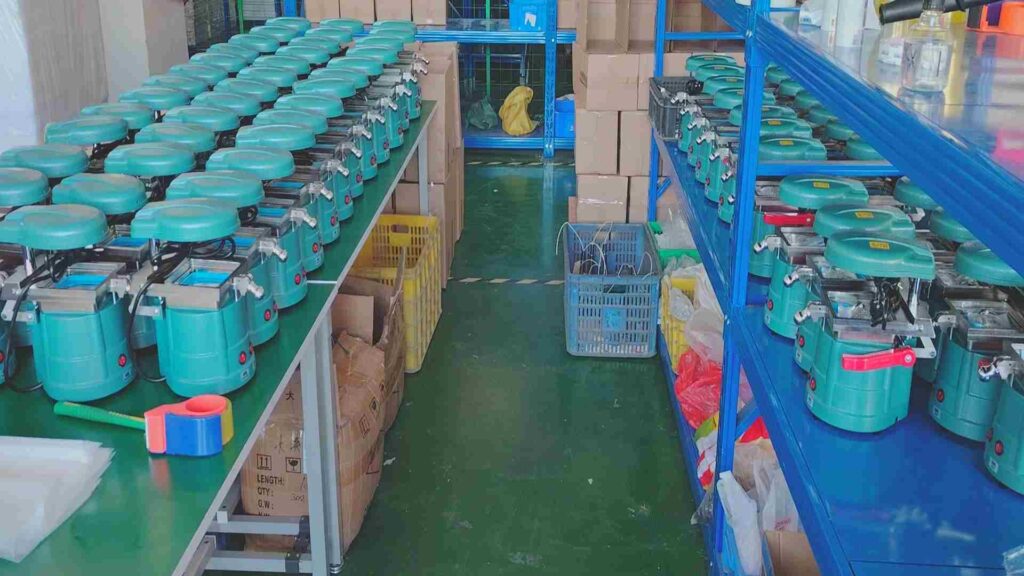
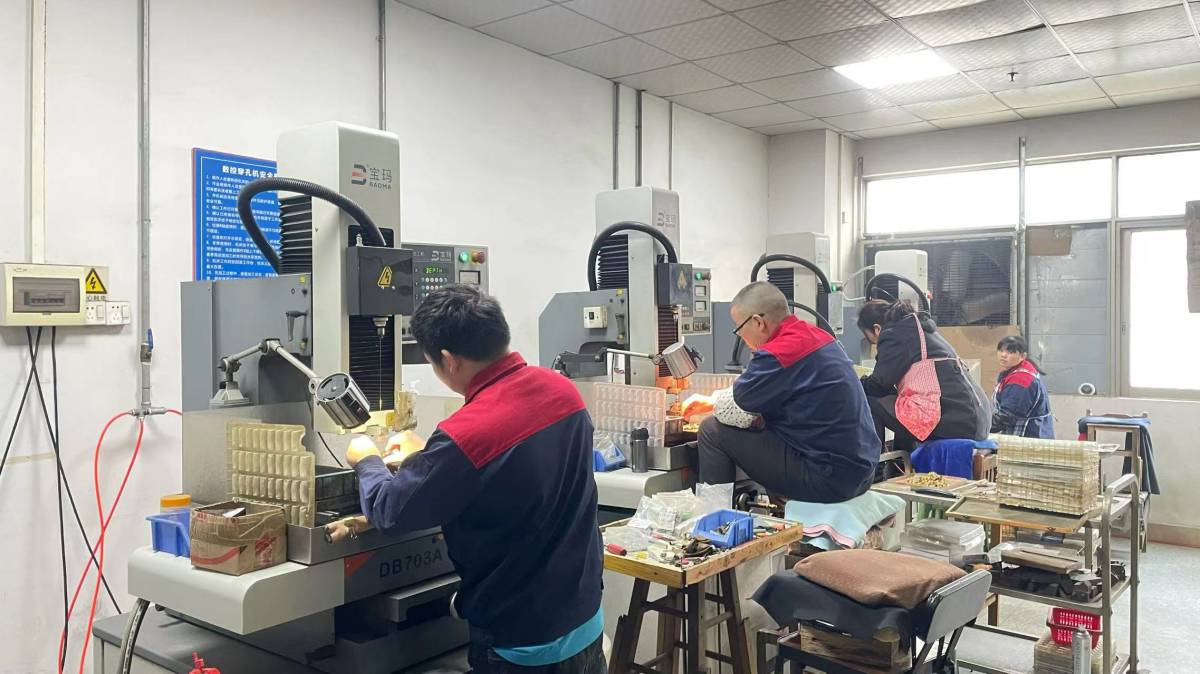
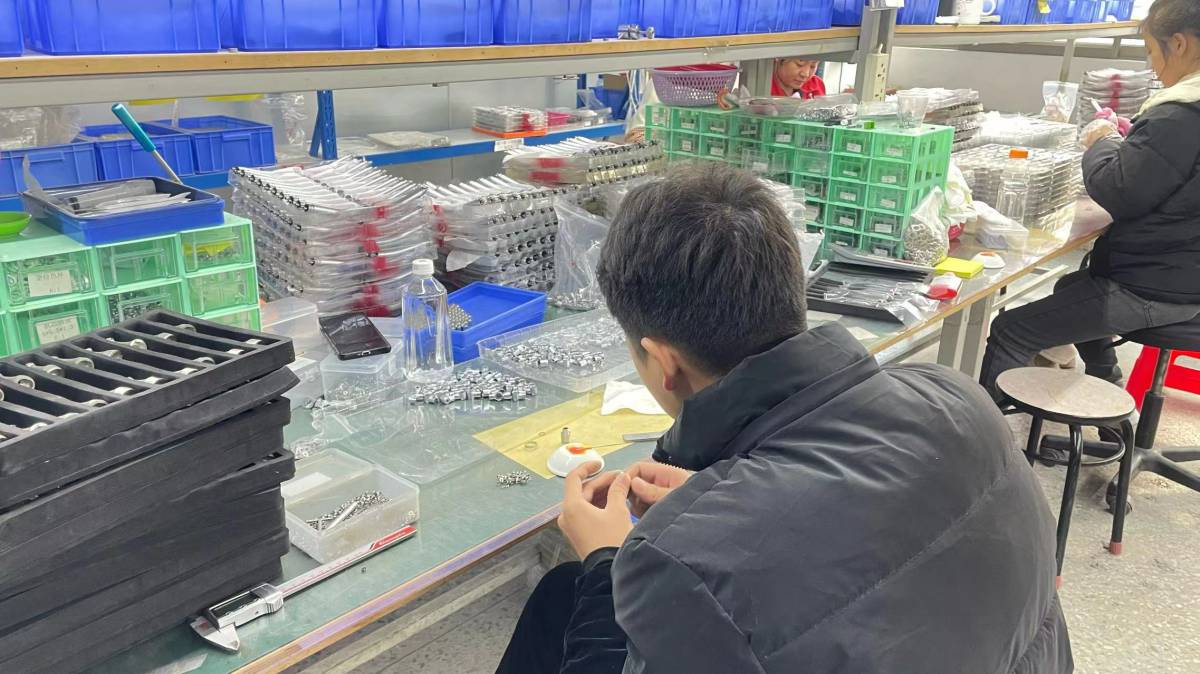
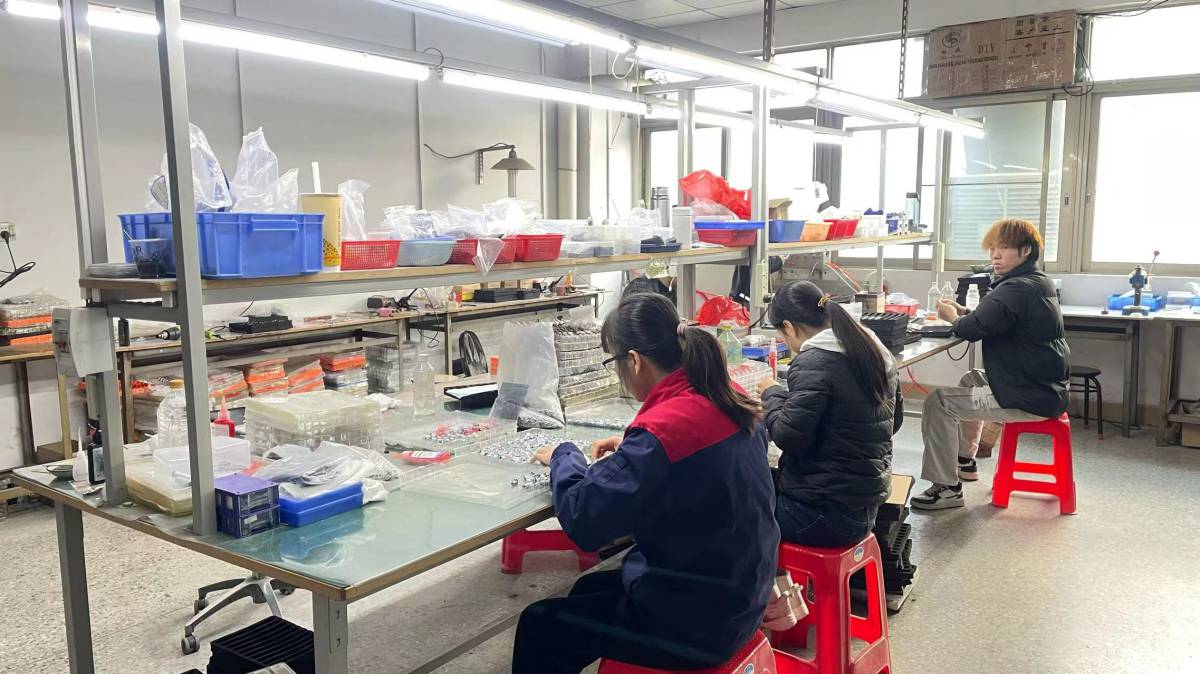
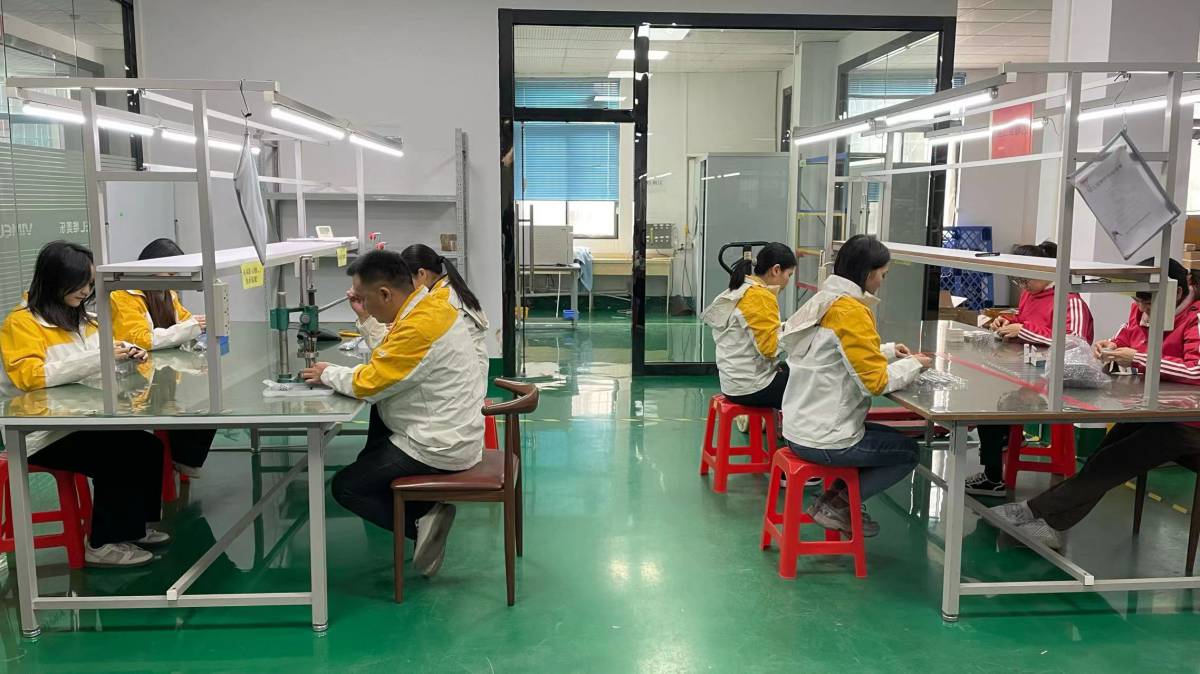
The efficiency of China's medical-grade factories rests on three pillars: raw material access, precision forging, and scalable heat treatment. At our specialized production workshop, we deploy automated grinding rigs and laser-controlled diagnostic machinery to ensure every periodontal scaler, probe, and explorer matches strict dimensional requirements.
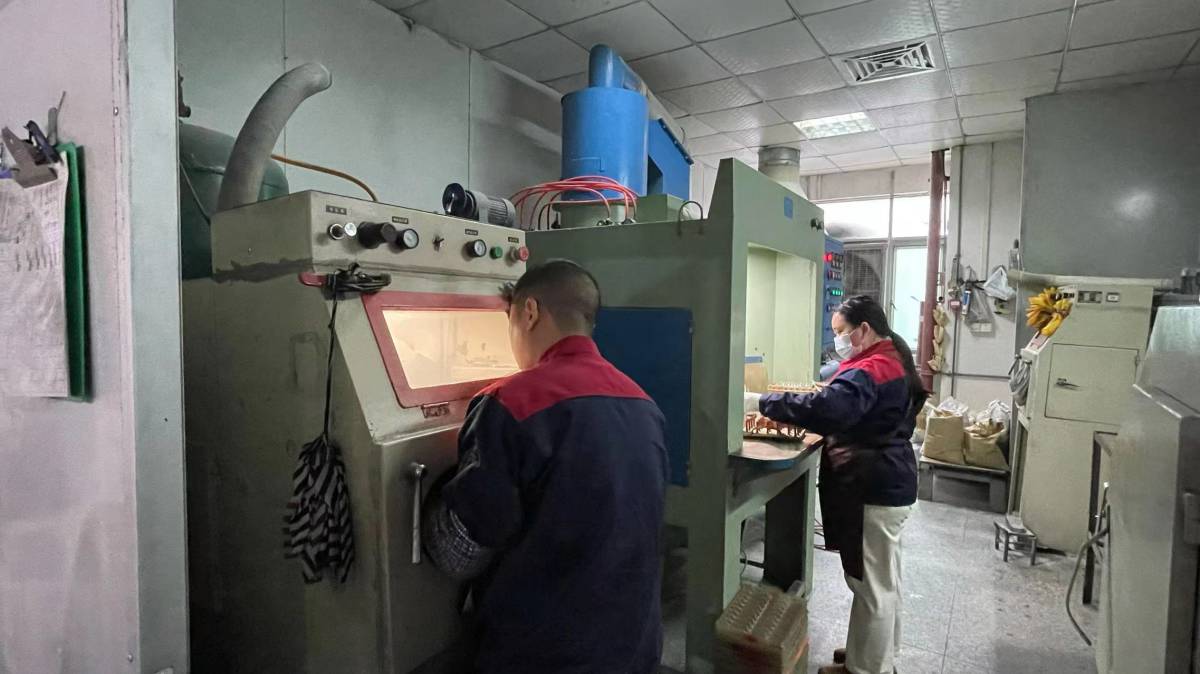
Unlike fragmented workshops, our integrated setup handles initial billet cutting, hot stamping, precision tempering, manual edge finishing, and electrolytic polishing within a unified quality management system. This closed-loop fabrication keeps product consistency high, minimizes defect rates, and supports custom OEM/ODM tool profiles at scale.
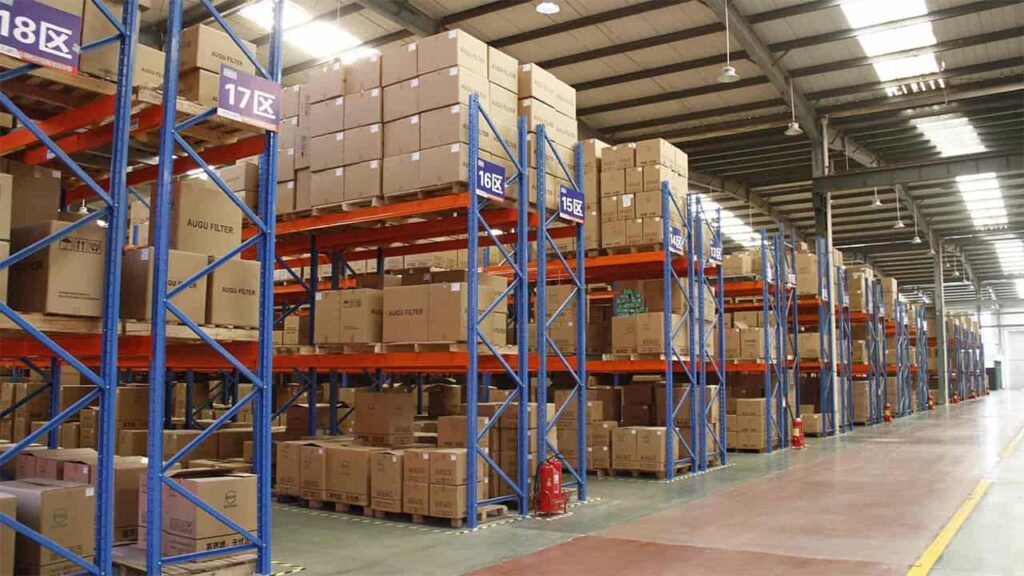
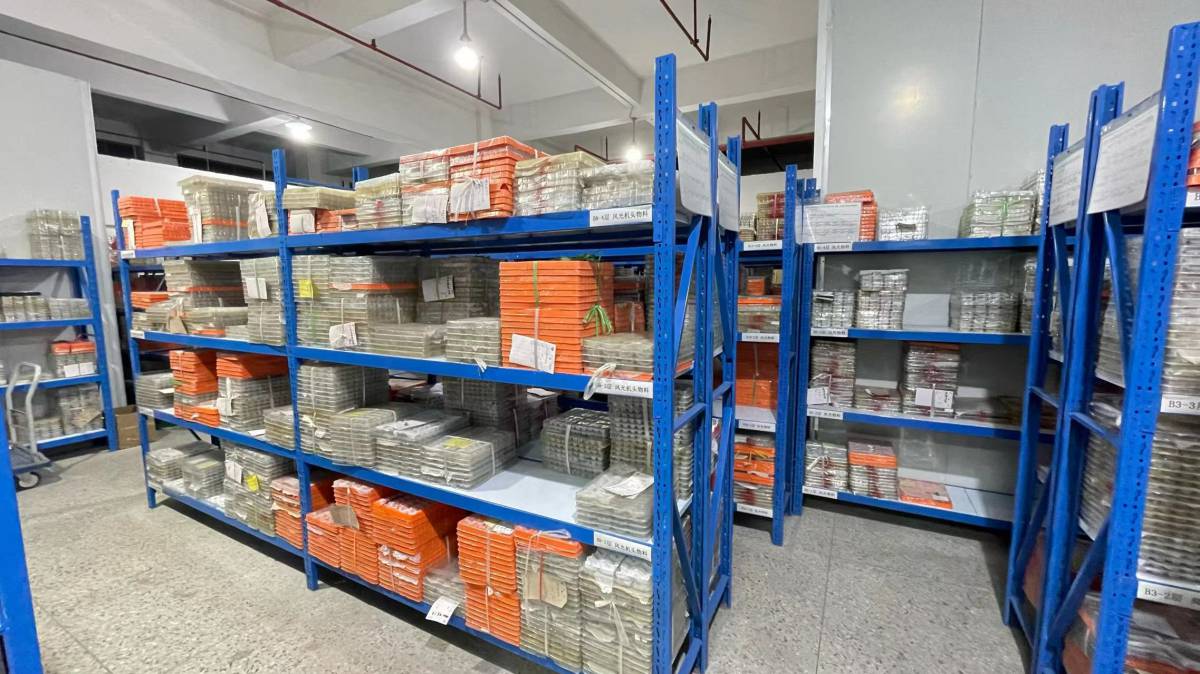
Timely delivery and dynamic inventory management are essential for dental distributors managing global shipping schedules. TRV Medical's modernized warehouse infrastructure provides organized storage for raw steel stock, semi-finished assemblies, and completed, sterilized instruments.
By utilizing a digital inventory tracking program, we ensure standard items—including universal curettes, periodontal probes, and diagnostic kits—are kept in stock for swift order fulfillment. This warehouse system supports quick packaging, customized labeling for bulk OEM orders, and secure shipping to Europe, the Americas, and the Asia-Pacific region.
Our operational philosophy is built on four core values that ensure product quality and reliable support for dental professionals worldwide.
Deeply engaged in the dental medical field, we drive the industry's development with cutting-edge technology and continuous innovation, providing safe and efficient solutions for clinical practice.
From R&D to production, we strictly control every process to ensure zero defects in our products and become a trusted partner for dentists.
Centering on patients' health and doctors' needs, we provide personalized services and technical support to help enhance the diagnosis and treatment experience and efficiency.
Adhere to transparent cooperation, fulfill commitments to customers, employees and society, and win long-term trust through compliant operation.
The performance of a periodontal curette, explorer, or probe is determined by its metallurgical composition. At TRV Dental, we utilize medical-grade martensitic stainless steels, specifically conforming to ASTM F899 specifications. These alloys provide the strength needed to hold a sharp cutting edge, resist deformation, and withstand sterilization cycles.
| Steel Grade Type | Carbon/Chromium Ratio | Primary Application | Key Advantages |
|---|---|---|---|
| AISI 440C (Martensitic) | High Carbon / High Chromium | Surgical Gracey Curettes, Scalers | Exceptional edge retention, high hardness (58-60 HRC), good wear resistance. |
| AISI 420A/B (Martensitic) | Medium Carbon | Periodontal Probes, Explorers, Tweezers | Excellent flexibility, moderate hardness, high corrosion resistance in wet environments. |
| AISI 316L (Austenitic) | Low Carbon / High Nickel & Moly | Instrument Handles, Sterilization Cassettes | Superior chemical corrosion resistance, non-magnetic, excellent toughness. |
Periodontal instruments are used across a range of specialized clinical procedures. Working with a dedicated manufacturing partner allows clinics to source task-specific tools designed for patient comfort and clinician ergonomics.
During routine hygiene visits and deep scaling, clinicians need tactile feedback to identify and remove subgingival calculus. Precision-engineered Gracey curettes and ultrasonic scaler inserts allow clinicians to debride root surfaces without damaging adjacent cementum or soft tissues.
For advanced periodontitis, surgical access is required. Surgical scalpels, microsurgical scissors, periosteal elevators, and bone files must be thin enough to navigate narrow interdental spaces. Sharp blades minimize tissue trauma and support faster post-operative healing.
Scaling titanium implant surfaces requires specialized instruments. Traditional stainless steel curettes can scratch implant posts, creating areas where bacteria can accumulate. Standard protocols call for carbon-fiber, resin, or solid titanium curettes, allowing hygienists to clean around abutments safely.
Accurate pocket depth measurement is key to planning periodontal treatment. Color-coded probes (such as Williams, UNC15, or CP12 styles) feature laser-etched markings that remain legible after repeated autoclave cycles, ensuring consistent clinical diagnostics.
The periodontal manufacturing sector continues to adopt new materials and production methods. Key updates shaping the industry include:
Ergonomic Lightweight Handles: To help prevent repetitive strain injuries (RSI) like carpal tunnel syndrome, manufacturers are developing hollow-core stainless steel handles or textured silicone grips. These lightweight, wider handles reduce the pinch force needed during scaling.
DLC (Diamond-Like Carbon) Coatings: High-performance instruments are starting to use DLC and titanium-nitride coatings. These thin surface coatings increase edge retention, reduce instrument wear, and eliminate the need for frequent sharpening, extending the life of the tool.
Digital Integration: Automated manufacturing systems allow factories to produce consistent blade shapes. This ensures that every replacement instrument a clinic orders matches the dimensions and angles of the original tool.
Global procurement directors must balance cost efficiency with strict regulatory compliance. When vetting manufacturers in China, keep the following criteria in mind:
Answers to common questions about sourcing, maintaining, and certifying periodontal instruments from China.
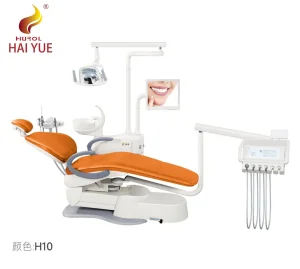
Complete your supply chain requirements with our selection of clinical chairs, endodontic files, and diagnostic devices.
 TRV Medical