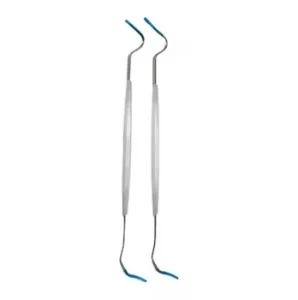
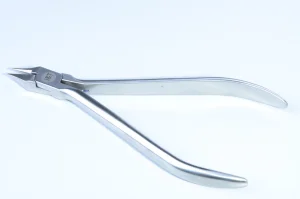
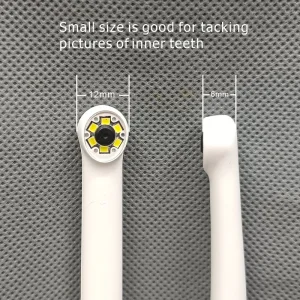
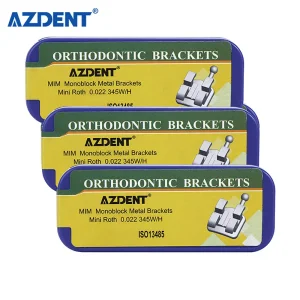
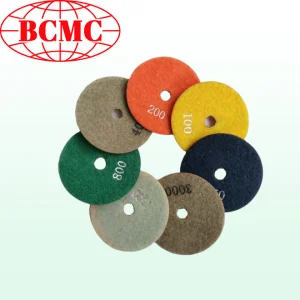
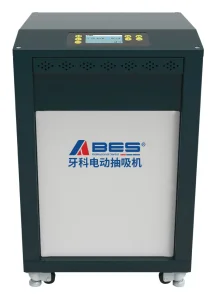
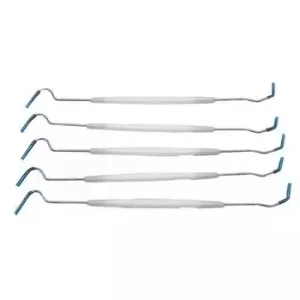
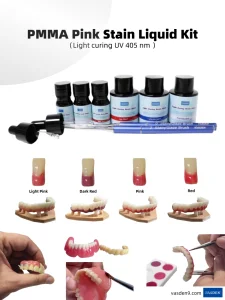
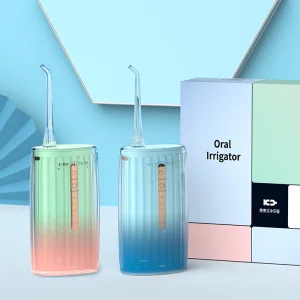
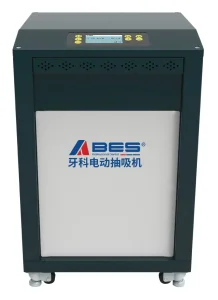
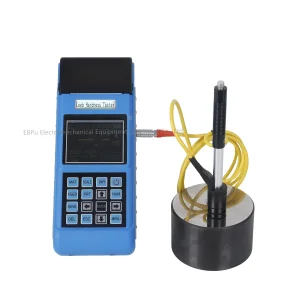
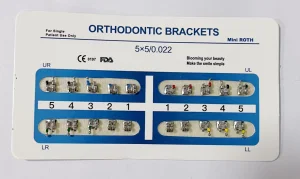
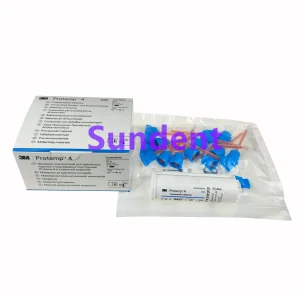
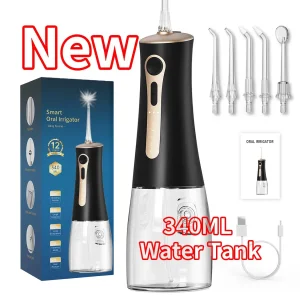
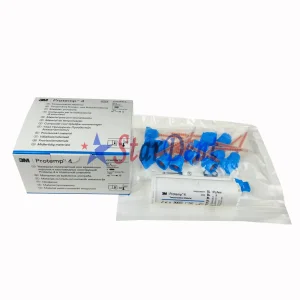
Explore our foundational range of diagnostic probes, high-performance suction assemblies, and orthodontic brackets engineered to work alongside tissue retraction materials.
Understanding the dynamic biological requirements of tissue displacement for contemporary restorative dentistry.
Effective subgingival margination requires transient exposure of the prep border without causing permanent recession of the delicate free gingival margin. Our retraction systems provide mechanical separation coupled with biocompatible astringents (such as aluminum sulfate or epinephrine-free formulations) to temporarily collapse the sulcular wall, ensuring precise margin visibility without inducing periodontal cell necrosis.
With the rise of intraoral scanners, clear optical boundaries are paramount. Traditional physical impressions could sometimes compress tissue, but digital scanners require line-of-sight. The use of advanced paste systems and knitted cords treated with hemostatic agents yields a dry, clearly defined margin area that minimizes optical scattering, drastically reducing digital remakes and enhancing crown-and-bridge fit.
Exudation of crevicular fluid and minor bleeding are the primary causes of void formation in elastomer impressions and bonding failure in adhesive resin luting cements. By formulating retraction media with controlled release hemostatic compounds, clinicians achieve immediate capillary closure and fluid suppression, securing a bone-dry operating field required for modern cementation techniques.
Analysis of international standardizations and procurement frameworks within the European and Global markets.
The global dental consumables market has shifted rapidly toward strict regulatory oversight. In the European Union, the transition from the Medical Device Directive (MDD) to the Medical Device Regulation (MDR 2017/745) has elevated the compliance threshold for gingival retraction materials, categorizing them as active medical devices when combined with pharmacologically active astringents.
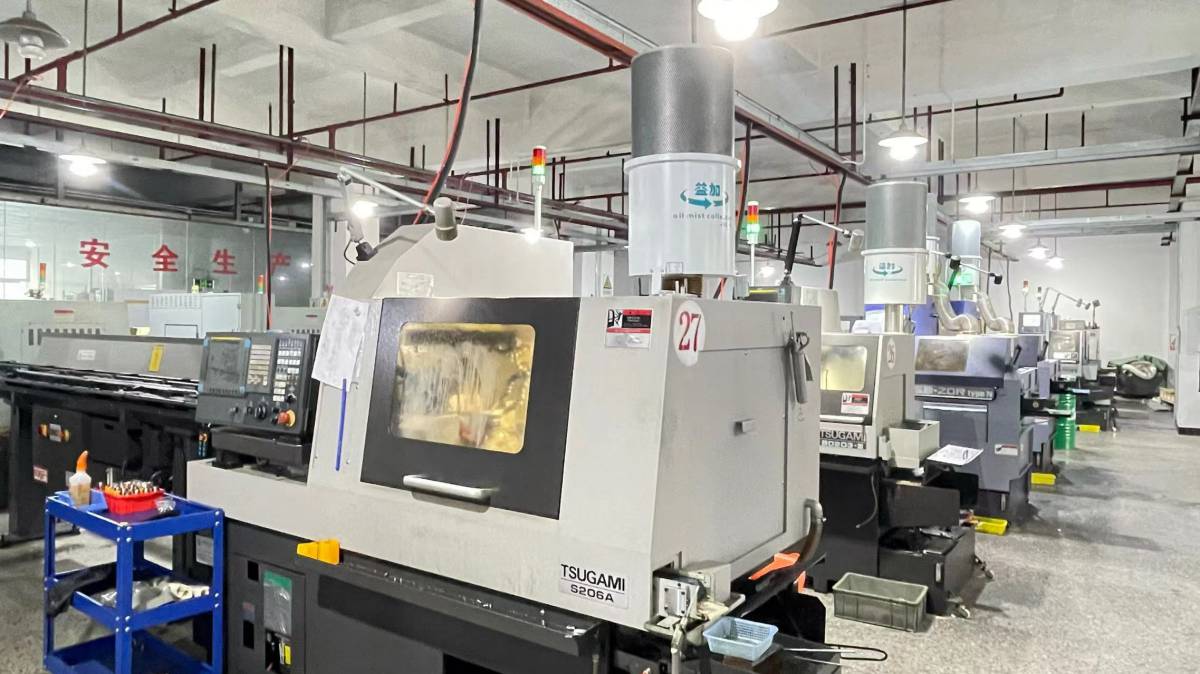
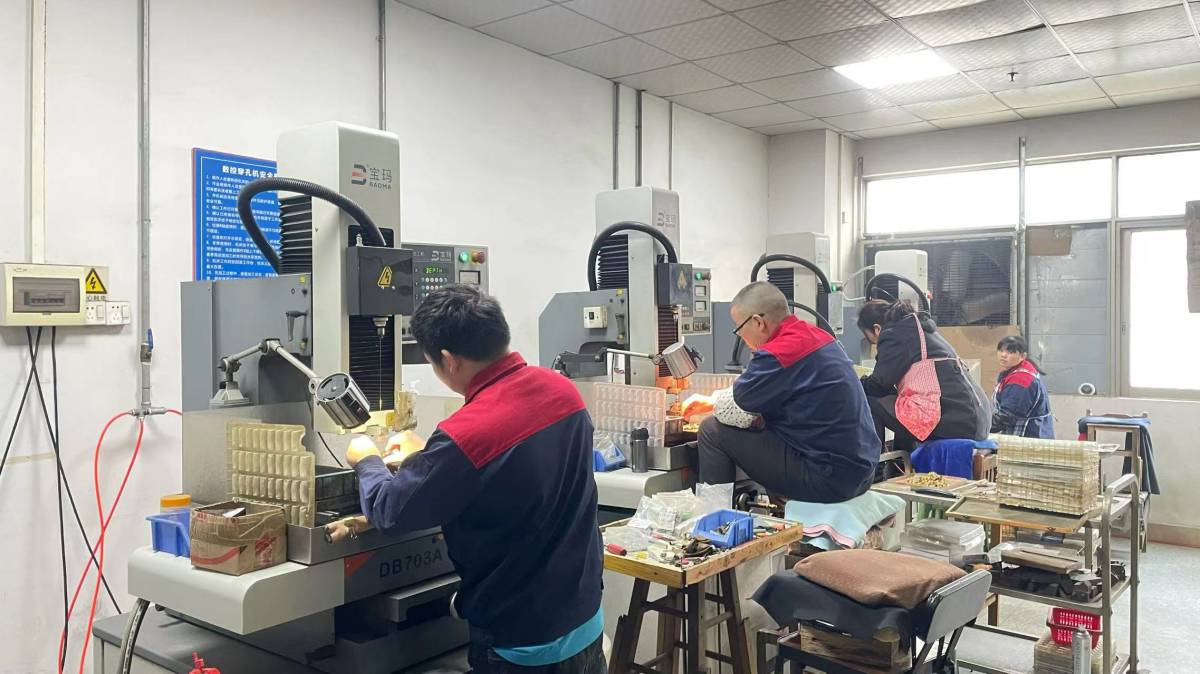
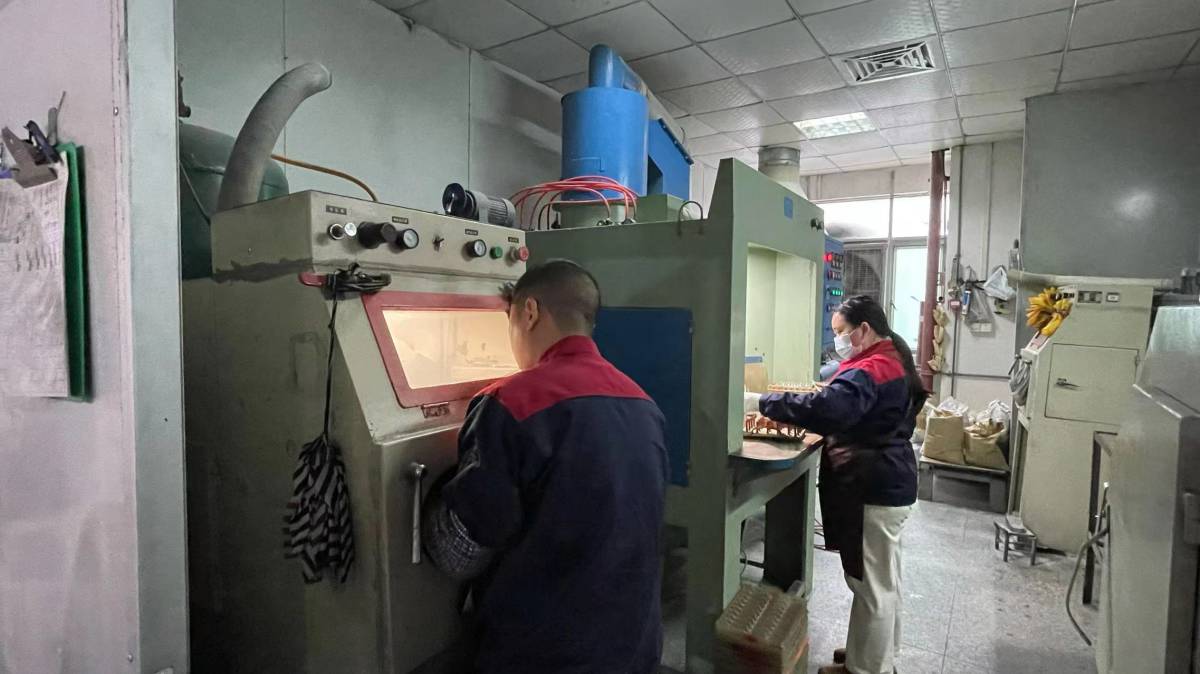
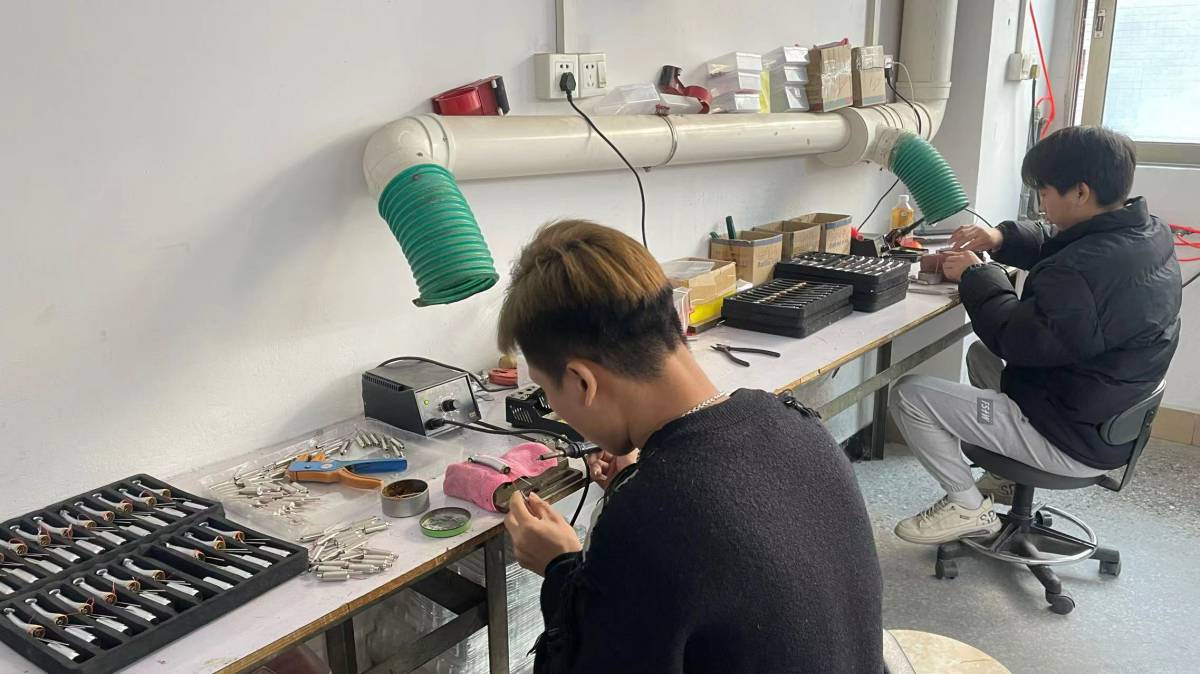
As an industry-leading exporter, our manufacturing plants utilize automated chemical processing units, medical-grade braiding/knitting lines, and cleanrooms certified under ISO 13485. This ensures that every batch of cord, gel, or paste exported to Europe, North America, and the Asia-Pacific region meets rigid biocompatibility, sterilization validation, and shelf-life stability requirements.
We operate centralized testing laboratories verifying mechanical tensile strength, elution profile analytics of astringent minerals, and tissue-recovery timelines. By securing full CE Certification, we guarantee our B2B partners, dental distributors, and dental service organizations (DSOs) uninterrupted customs clearance and smooth regulatory pathways across the European Single Market.
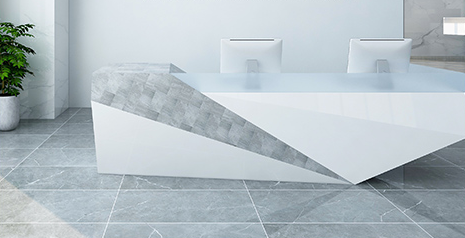
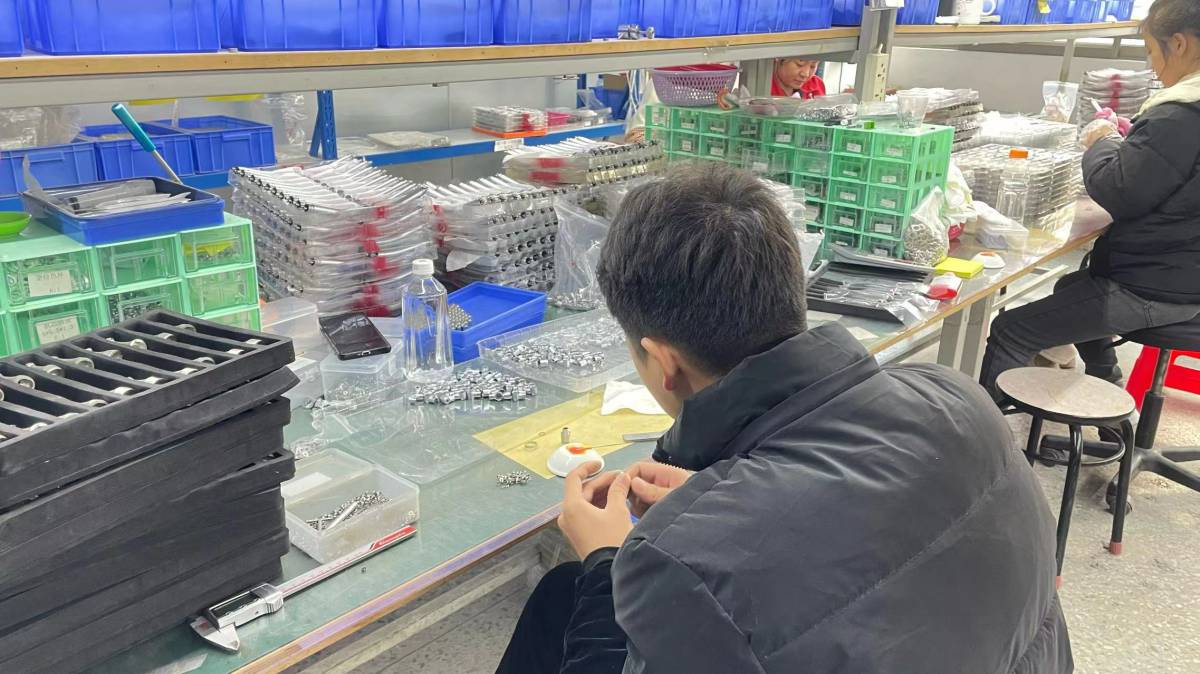
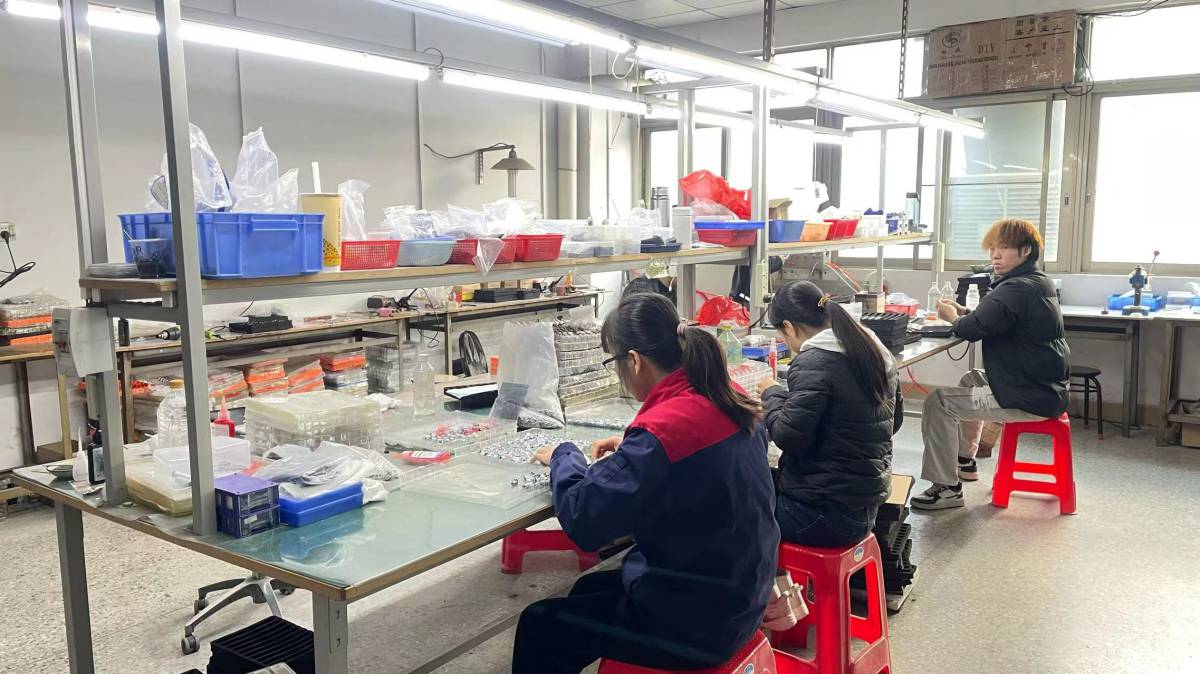
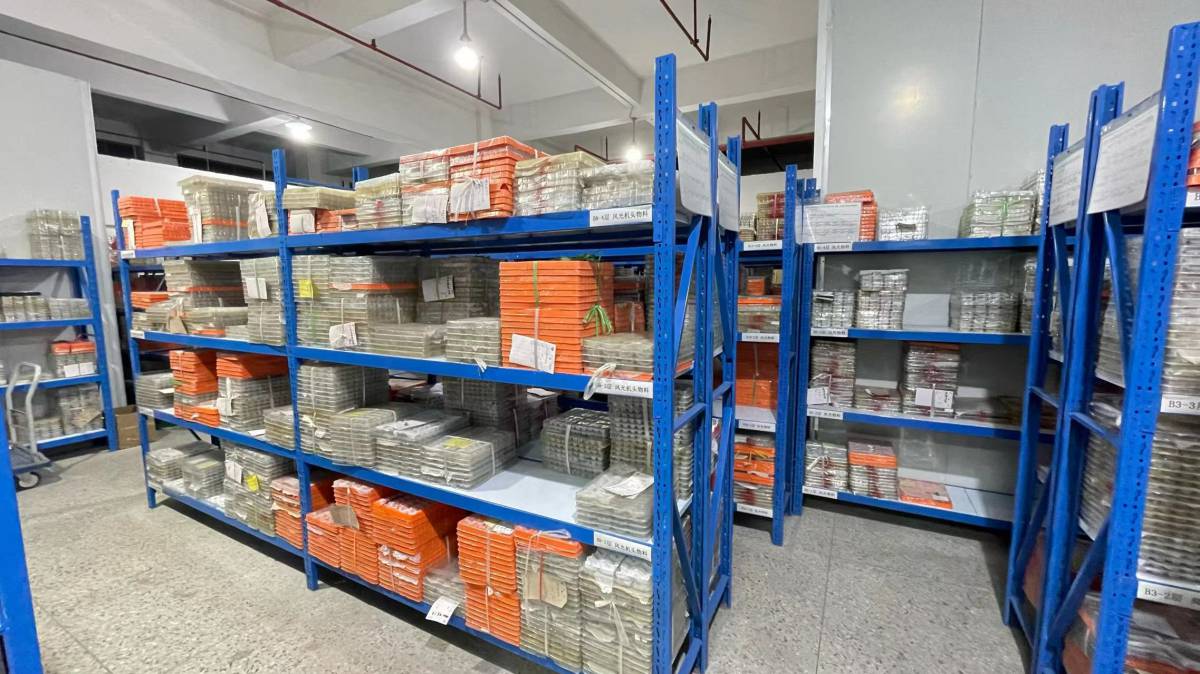
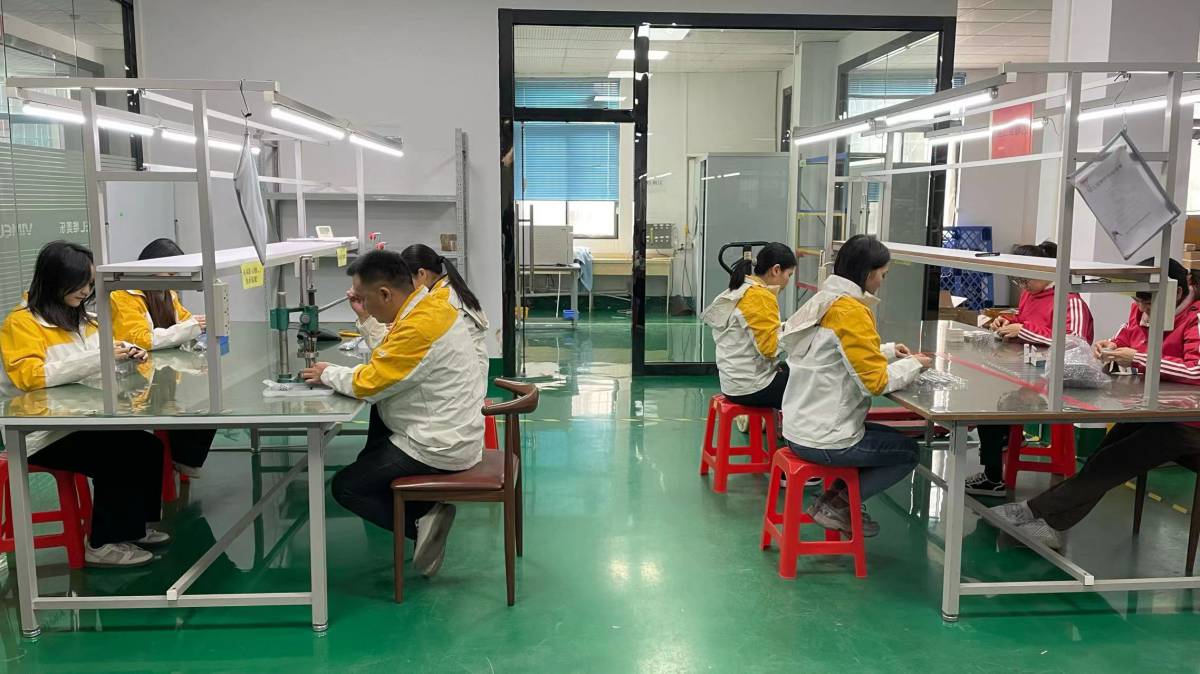
Guangzhou TRV Medical Instrument Co., Ltd. is located in the famous dental industry city of Foshan, focusing on the design, manufacturing and sales of dental products, with a history of more than 17 years.
Driven by the marketing construction of the network platform, relying on the product development of its own factories, and taking the resource integration of the supply chain as an advantage, TRV Medical is committed to developing into a high-quality supplier of the global oral health industry.
A tour inside our state-of-the-art facilities, from computerized machining to precision extrusion and sterilization warehouses.
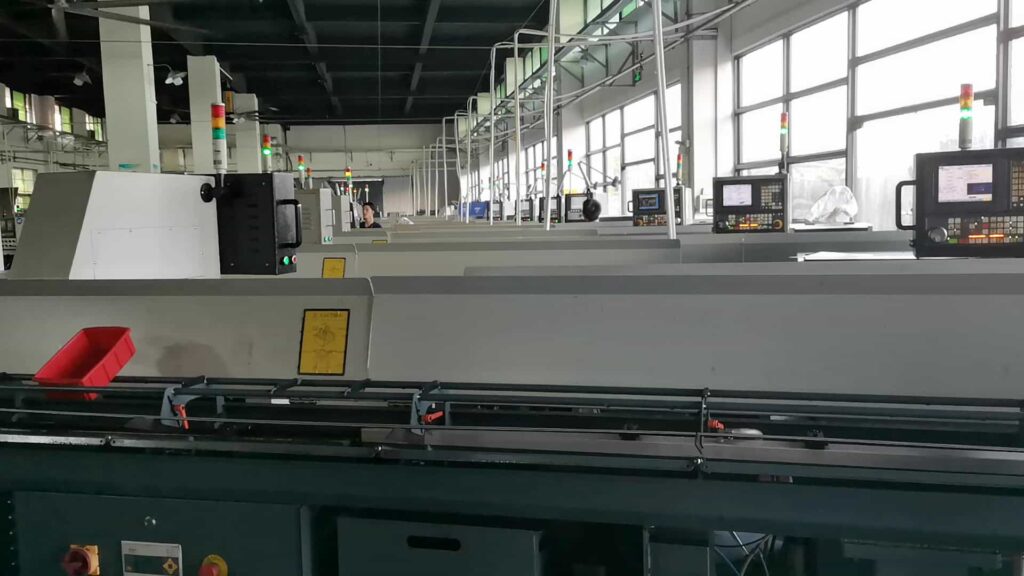
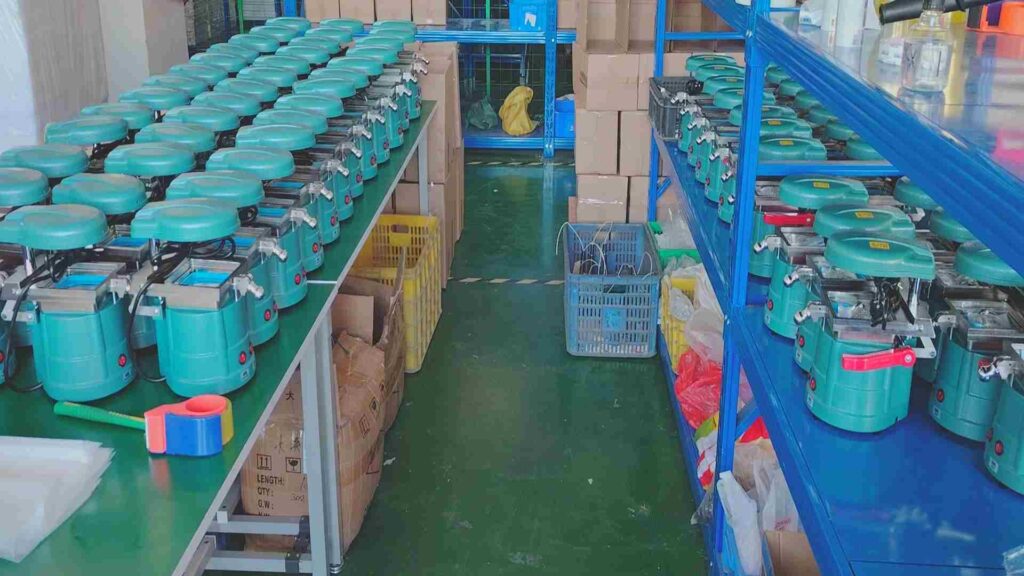
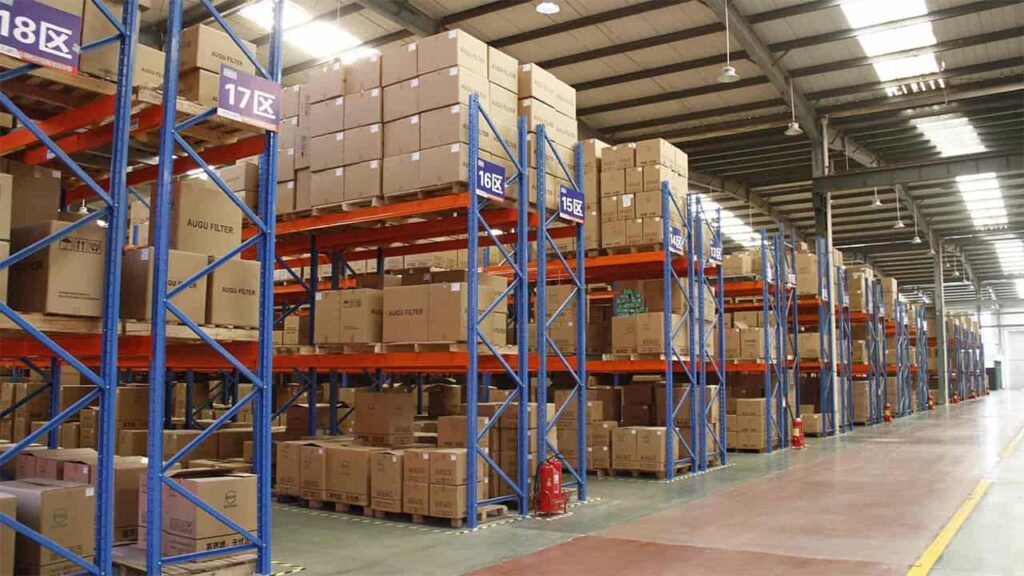
Aligning clinical requirements with corporate execution to drive global oral healthcare solutions forward.
Deeply engaged in the dental medical field, we drive the industry’s development with cutting-edge technology and continuous innovation, providing safe and efficient solutions for clinical practice.
From R&D to production, we strictly control every process to ensure zero defects in our products and become a trusted partner for dentists.
Centering on patients’ health and doctors’ needs, we provide personalized services and technical support to help enhance the diagnosis and treatment experience and efficiency.
Adhere to transparent cooperation, fulfill commitments to customers, employees and society, and win long-term trust through compliant operation.
How we ensure seamless imports, localized regulatory alignment, and hands-on professional service across geographic borders.
We supply complete technical dossiers (including biocompatibility assessment reports, Cytotoxicity Testing ISO 10993, and chemical characterization metrics) to facilitate trouble-free customs entry and local health authority registrations in target export nations.
Every shipment comes supported by localized instruction manuals in multiple languages (English, German, French, Spanish, etc.), illustrating application parameters, handling characteristics, and contraindications for local clinicians.
From custom length configurations in retraction cords (e.g., 250 cm vs. 300 cm) to specific concentration adjustability of hemostatic gels, our scientific team is capable of adjusting parameters according to target local market preferences.
A reference guide for dental surgeons and clinical purchasers when mapping retraction systems to patient cases.
Challenge: Capturing clear subgingival margins without damaging the periodontal attachment.
Solution: Double-cord technique. A thin size 000 cord is placed at the base of the pocket to restrict fluid, followed by a larger size 1 or 2 cord to physically displace the wall outward. The second cord is removed just before the impression material is injected.
Challenge: Preventing moisture and blood contamination from ruining adhesive bonds at the gumline.
Solution: Astringent paste containing aluminum chloride. The paste is injected into the sulcus, left for 2 minutes, and rinsed. This results in temporary dry hemostasis with zero mechanical tissue damage, allowing optimized adhesive bonding.
Challenge: Getting light beams to scan down to the root margin, avoiding distorted 3D CAD/CAM models.
Solution: A hybrid cord-paste approach or non-impregnated knitted cord. It maintains physical space without altering the tissue colors, which can sometimes interfere with true-color intraoral scan matching.
Innovation pipelines outlining next-generation breakthroughs in tissue management science.
Development of temperature-sensitive polymeric retraction pastes that flow freely at room temperature for easy placement, but solidify into a cohesive elastic gel at intraoral temperature (37°C), allowing painless single-piece retrieval.
Incorporating micro-dosed healing compounds like hyaluronic acid or natural plant extracts into the retraction material matrix. This actively accelerates tissue recovery and reduces post-operative sensitivity or localized gingivitis.
Embedding safe, radiopaque, or opto-reflective markers into pastes. These markers help intraoral scanners identify margins automatically, integrating artificial intelligence detection into CAD/CAM software workflows.
Answers to common questions from distributors, procurement executives, and dental professionals.
Browse our additional line of dental chair utilities, temporary crown materials, and milling equipment accessories.
 TRV Medical