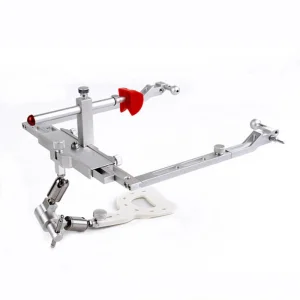
Explore our core range of precision instruments, clinical devices, and diagnostic hardware engineered for seamlessly integrated dental practices worldwide.
In modern digital dentistry, hardware without robust software is merely static machinery. Dental imaging software serves as the nervous system of modern oral healthcare diagnostics, bridging hardware acquisition with clinical decision-making.
The global dental diagnostic imaging market has undergone a catastrophic paradigm shift over the past decade. The industry has evolved rapidly from analog film radiographs to 2D Digital Intraoral Radiography (RVG/PSP), 3D Cone Beam Computed Tomography (CBCT), and full-arch Intraoral Optical Scanners (IOS). Today, multinational medical equipment distributors, original equipment brands, and hospital procurement networks require tailor-made software platforms that deliver zero-latency rendering, cloud-native storage, automated AI diagnostic assistance, and seamless DICOM compliance.
As a leading OEM/ODM Dental Imaging Software Manufacturer and Factory hub operating out of Foshan and Guangzhou, China, our manufacturing infrastructure combines top-tier software engineering with precise biomedical instrument manufacturing. We provide full-stack turn-key OEM/ODM custom solutions that empower global medical brands to bypass years of expensive R&D, reduce compliance lead times, and deploy competitive software-hardware packages into international markets.
Understanding the layers of a modern dental diagnostic workstation is vital for global B2B procurement officers. A complete dental imaging package consists of three critical tiers:
Direct hardware handshaking via proprietary CMOS sensor drivers, TWAIN protocols, VDDS standards, and FPGA board controllers. Our OEM firmware guarantees high signal-to-noise ratios (SNR) during micro-dose X-ray exposures.
Proprietary GPU-accelerated algorithms for volume rendering, multi-planar reconstruction (MPR), panoramic curve generation, airway volume measurement, nerve canal mapping, and metal artifact reduction (MAR).
Fully rebrandable User Interfaces (UI) integrated with practice management software (PMS), Web-viewer DICOM server gateways, encrypted cloud synchronization, and AI-assisted tooth segmentation modules.
Generic, off-the-shelf software often fails to meet the hyper-specific clinical workflows, linguistic nuances, and brand identity needs of international dental equipment vendors. Our factory offers complete modular customization across both hardware and software spectrums.
The Pearl River Delta—specifically the Foshan and Guangzhou industrial cluster—is widely recognized as the world's most concentrated ecosystem for medical dental equipment manufacturing. Partnering with an established manufacturer like TRV Medical delivers distinct strategic advantages for global brands:
From raw CNC machining of precision optical mounts to high-grade SMT electronics assembly and cleanroom software flashing, our localized supply chain reduces development cycles by up to 60% compared to Western counterparts.
By combining automated manufacturing processes with specialized software engineers in Guangdong’s tech corridor, we offer high-tier medical software and hardware solutions at a fraction of European or North American manufacturing costs.
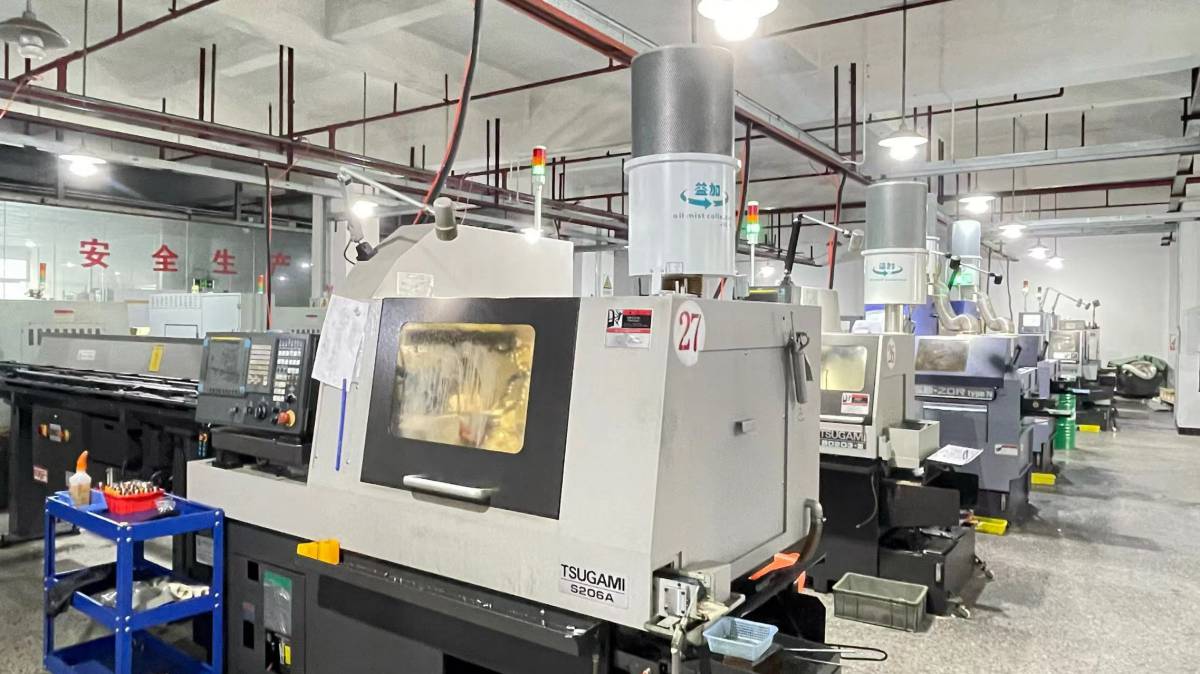
Our state-of-the-art machining centers allow rapid transition from initial CAD design and beta software builds to full-scale mass production within weeks, maintaining stringent batch-to-batch consistency.
Entering international markets requires strict compliance with medical device regulations and data privacy frameworks. Our OEM/ODM software and hardware architectures are engineered to meet global standards natively.
We provide global distributors with comprehensive technical files, STED documentation, Risk Management reports (ISO 14971), and Software Lifecycle documentation (IEC 62304) to facilitate effortless local registration:
Patient data protection and local usability are critical for software adoption. Our custom software builds provide built-in security and localization features:
Stay ahead of the competition by incorporating cutting-edge technologies into your OEM software product roadmap. Our R&D engineering team focuses continuously on integrating next-gen diagnostic tools:
Transitioning from heavy localized desktop installs to web-based, zero-footprint web viewers. Dentists can review CBCT volumes and intraoral scans seamlessly from any tablet or workstation.
AI models trained on millions of annotated dental radiographs instantly highlight periapical lesions, bone resorption lines, calculus deposits, and crown margin fits within seconds.
Direct export from CBCT segmentation to STL/OBJ format for surgical guide design, clear aligner staging, and immediate CAD/CAM chairside milling.
Guangzhou TRV Medical Instrument Co., Ltd. is located in the famous dental industry city of Foshan, focusing on the design, manufacturing, and sales of dental products, with a rich operational history of more than 17 years.
Driven by the marketing construction of network platforms, relying on the product development of its own factories, and taking the resource integration of the supply chain as an advantage, TRV Medical is committed to developing into a high-quality supplier of the global oral health industry.

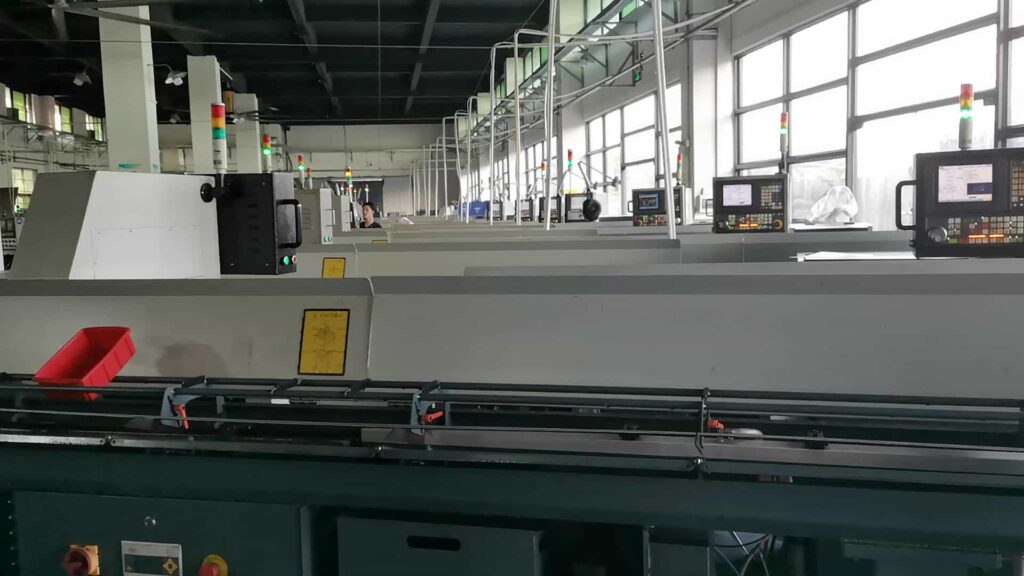
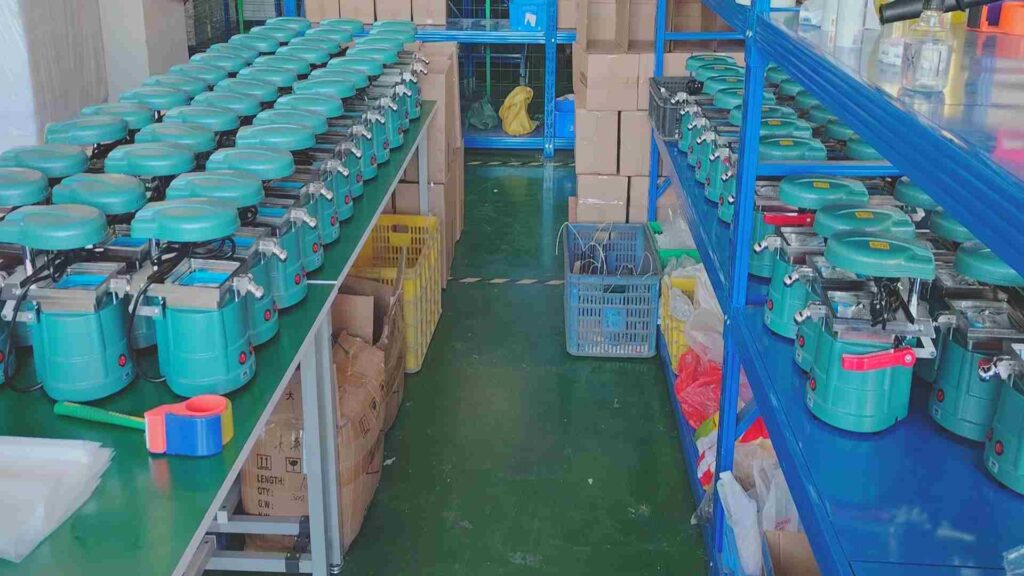
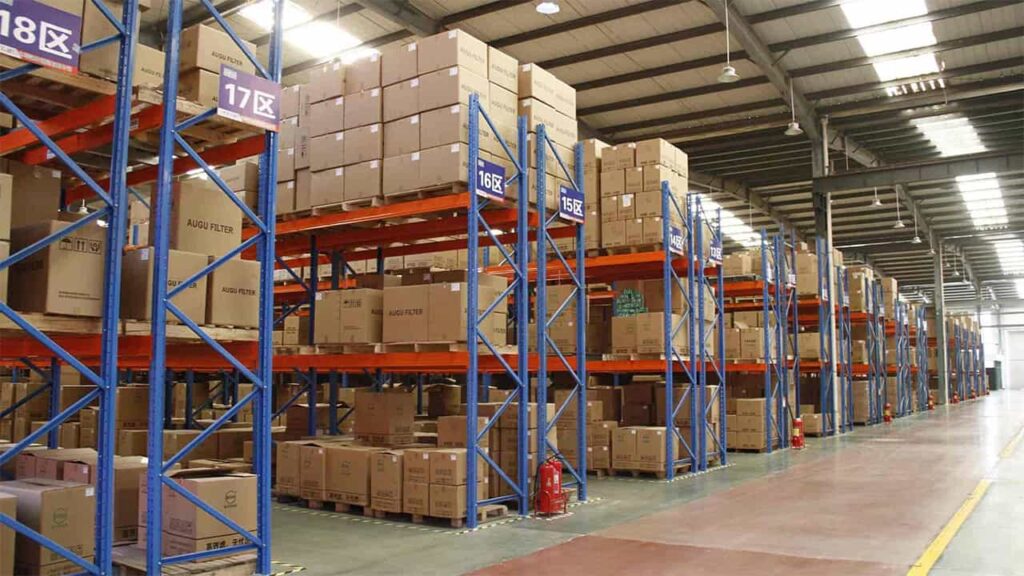
Deeply engaged in the dental medical field, we drive industry development with cutting-edge technology and continuous innovation, providing safe and efficient solutions for clinical practice.
From R&D to production, we strictly control every process to ensure zero defects in our products and become a trusted partner for dentists worldwide.
Centering on patients’ health and doctors’ needs, we provide personalized services and technical support to enhance diagnosis and treatment efficiency.
Adhere to transparent cooperation, fulfill commitments to customers, employees, and society, and win long-term trust through compliant, high-integrity operation.
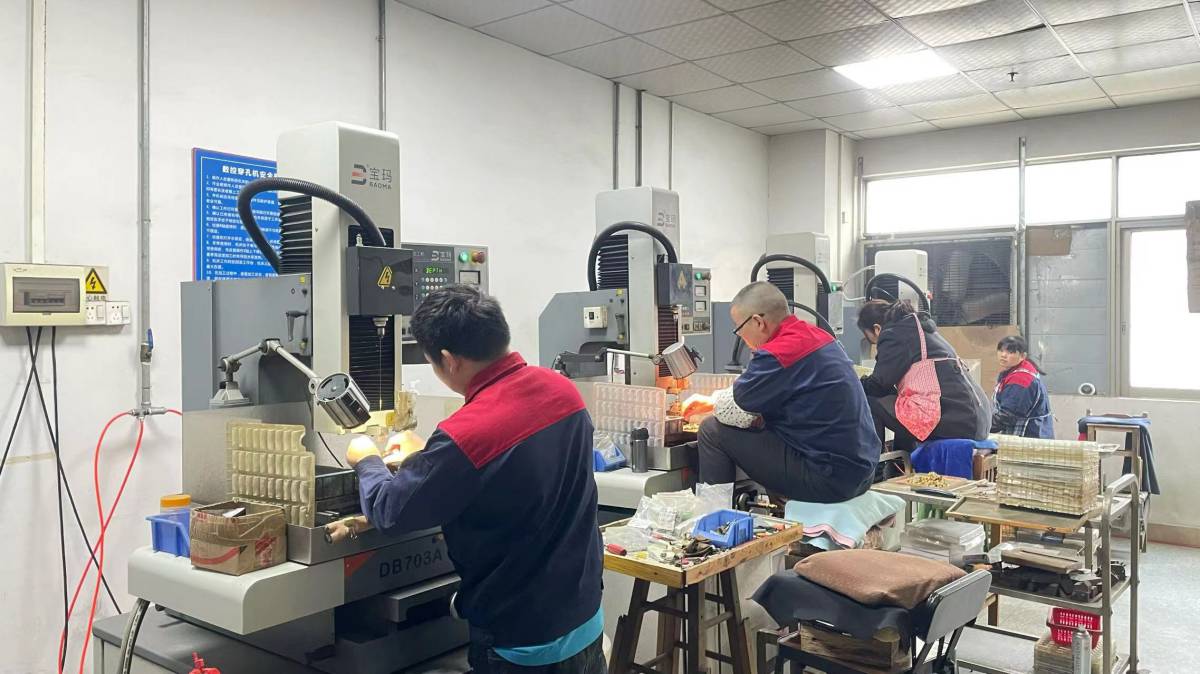
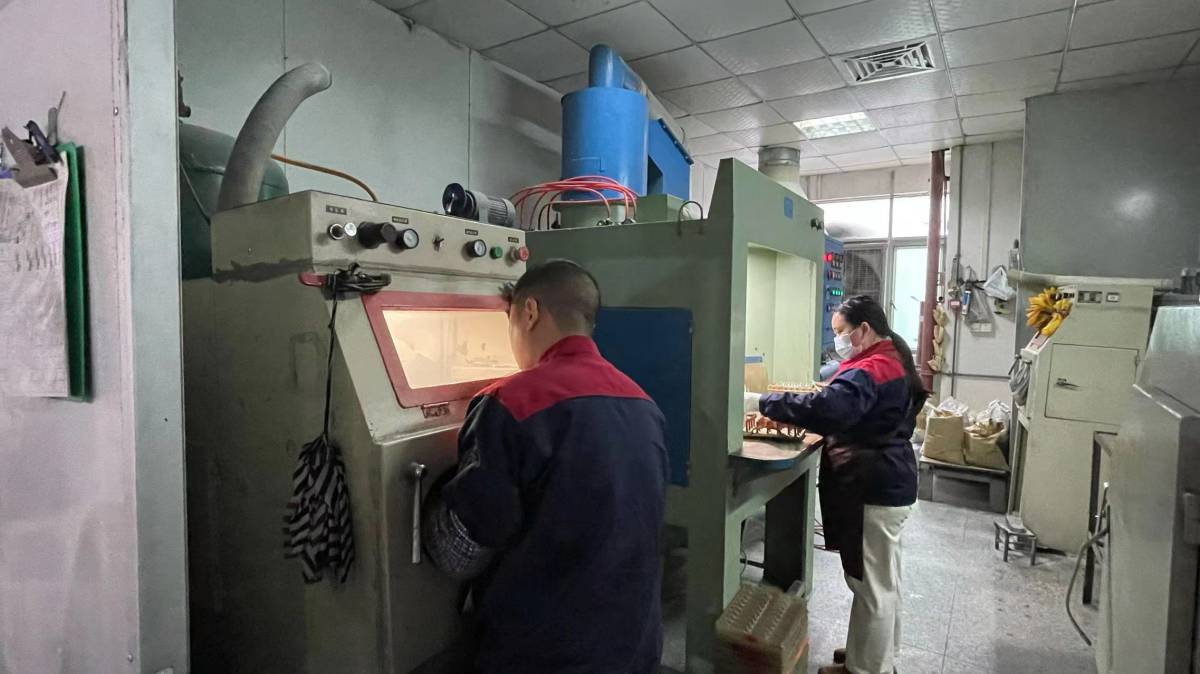
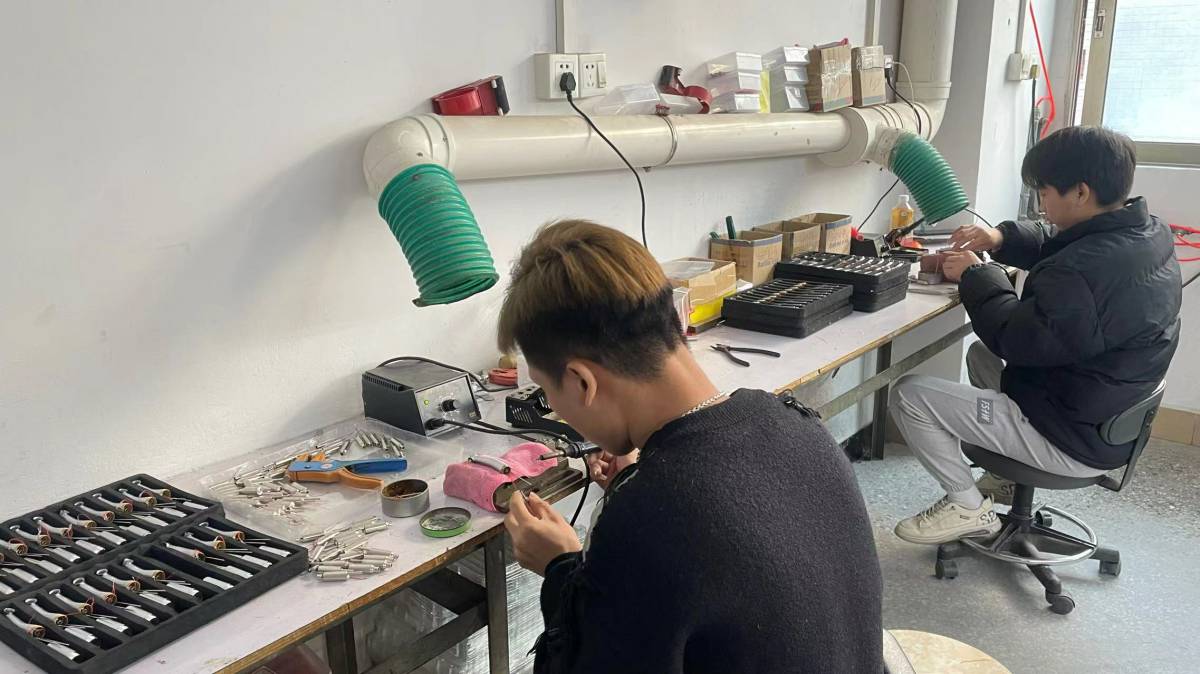
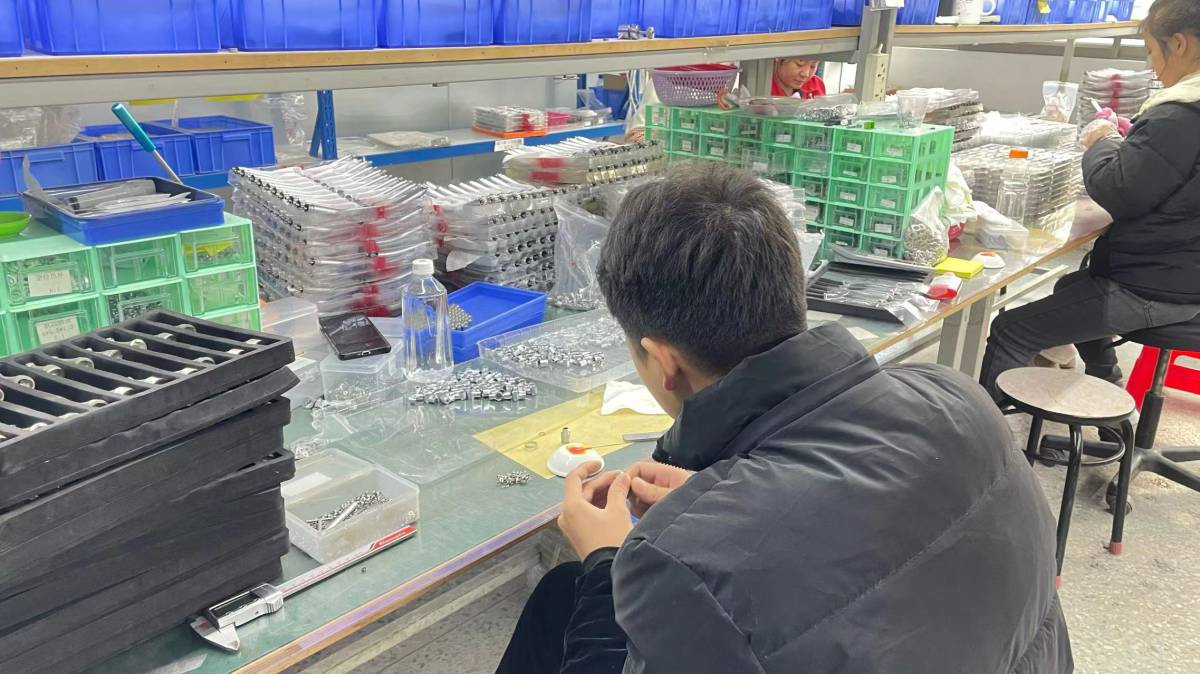
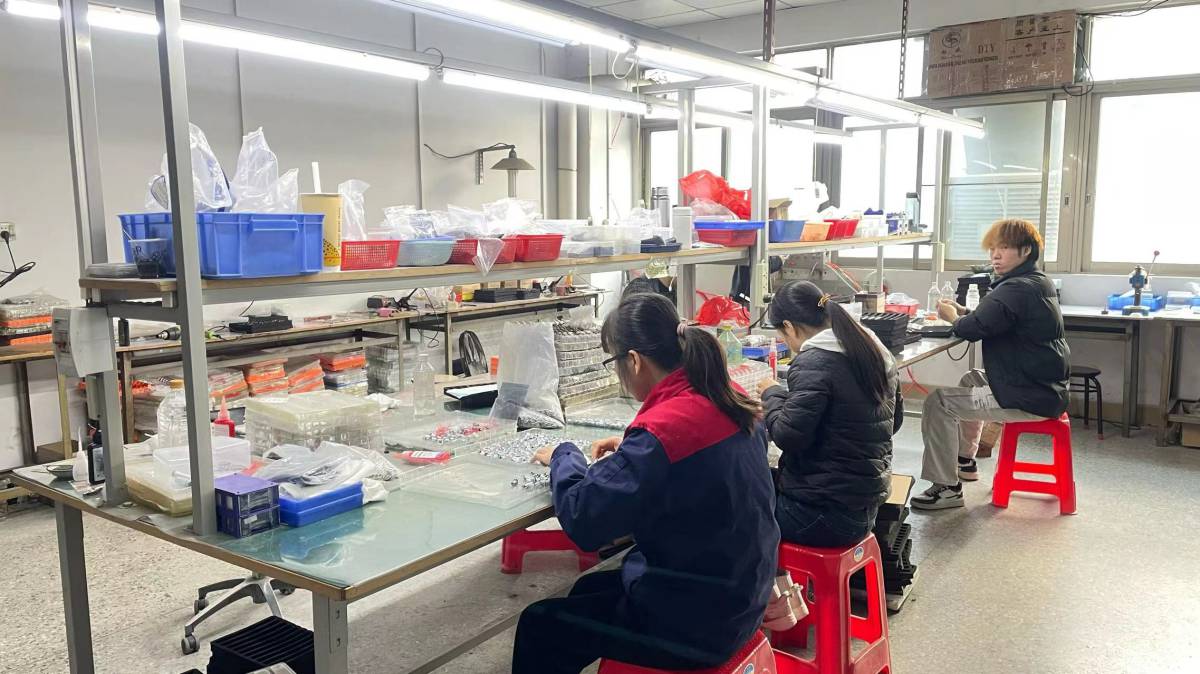
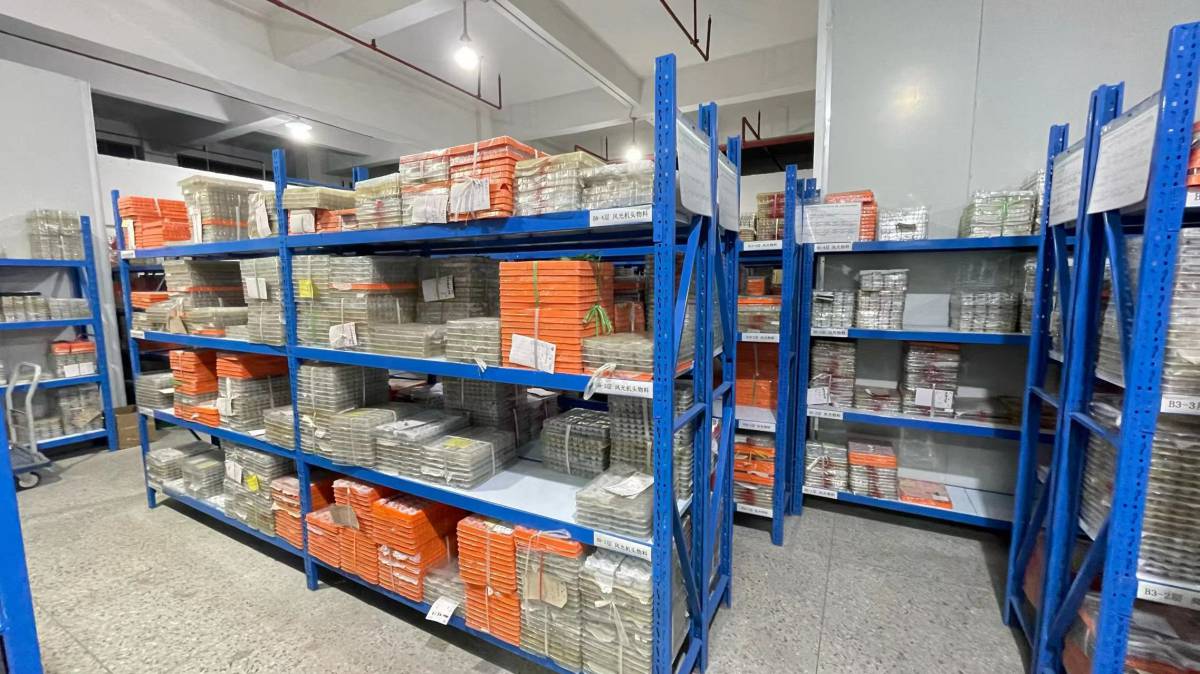
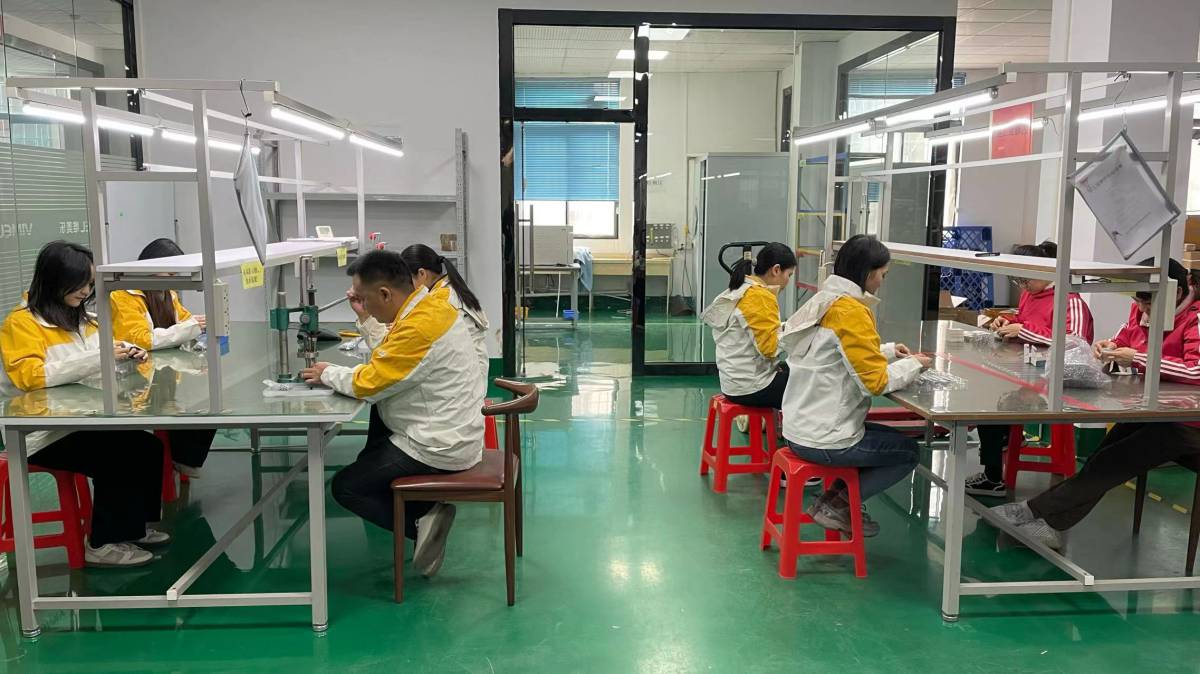
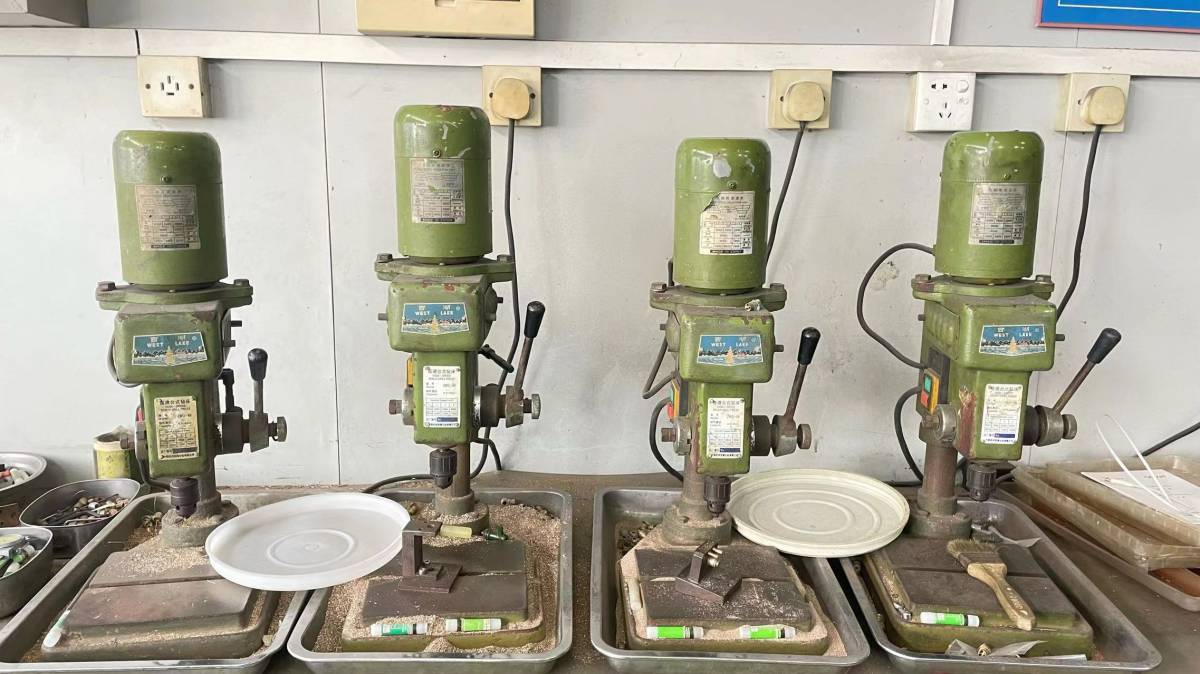
Take an inside look at our advanced manufacturing lines, quality control testing units, assembly benches, and inventory facilities:
Here are expert answers to the most crucial technical and commercial questions raised by medical equipment brands, distributors, and procurement teams.
OEM (Original Equipment Manufacturing): We take your existing software design specifications, user interface guidelines, and specific functional requirements and manufacture the software package under your proprietary brand name.
ODM (Original Design Manufacturing): We provide turnkey development from scratch—including core imaging algorithms, UI/UX design, DICOM integration, and hardware SDK handshaking. You simply apply your company's logo, brand colors, and market positioning to our field-tested, pre-certified software framework.
Our software features a universal hardware connectivity layer supporting standard TWAIN drivers, VDDS interfaces, and native C++ SDK hooks. This allows seamless plug-and-play operation with third-party intraoral sensors, phosphor plate scanners (PSP), panoramic units, and 3D CBCT systems without requiring custom hardware modifications.
Yes. Our dental software architecture strictly adheres to the DICOM 3.0 protocol. It includes standard DICOM Storage, DICOM Print, DICOM Query/Retrieve, and DICOM Modality Worklist (MWL). This ensures seamless integration into hospital PACS (Picture Archiving and Communication Systems) and dental clinic management networks globally.
We supply complete regulatory support packages including Software Description Documents (SDD), Risk Analysis (ISO 14971), Verification & Validation (V&V) reports (IEC 62304), Cybersecurity Assessment Protocols, and standard STED files required for local health authority registration (such as US FDA 510(k), EU MDR CE, or TGA clearance).
For standard white-label GUI modifications (brand icons, splash screens, color schemes, localized language additions), deployment takes between 2 to 4 weeks. For complex ODM developments involving custom AI algorithm training or specialized hardware SDK creation, engineering timelines range from 8 to 16 weeks depending on specification complexity.
Browse additional specialized medical instruments, clinical consumables, and surgical equipment manufactured across our Foshan and Guangzhou factory infrastructure.
 TRV Medical