Why Are Teeth Whitening Devices Safe for Your Smile?

Time:2026-07-07 Author:Sophia
0%

Teeth whitening has become increasingly popular in recent years. More people are seeking brighter smiles. However, concerns about safety are equally important. Understanding Teeth Whitening Device Safety is vital for users. Dr. Elizabeth White, a leading expert in dental health, emphasizes, "The right whitening device can enhance your smile without harming your teeth."

Many devices promise dazzling results. But not all products are compliant with safety standards. Some users might experience sensitivity or discomfort. This raises important questions about safety and effectiveness. Not all whitening methods are suitable for everyone. It's essential to choose wisely.

Consumers should pay attention to ingredients and usage instructions. Researching products can alleviate concerns. Trusted devices typically undergo rigorous testing. They are designed with user safety in mind. Still, it's crucial to remember that everyone's teeth react differently. What works for one person may not work for another. Ultimately, informed choices are key to achieving a confident smile safely.
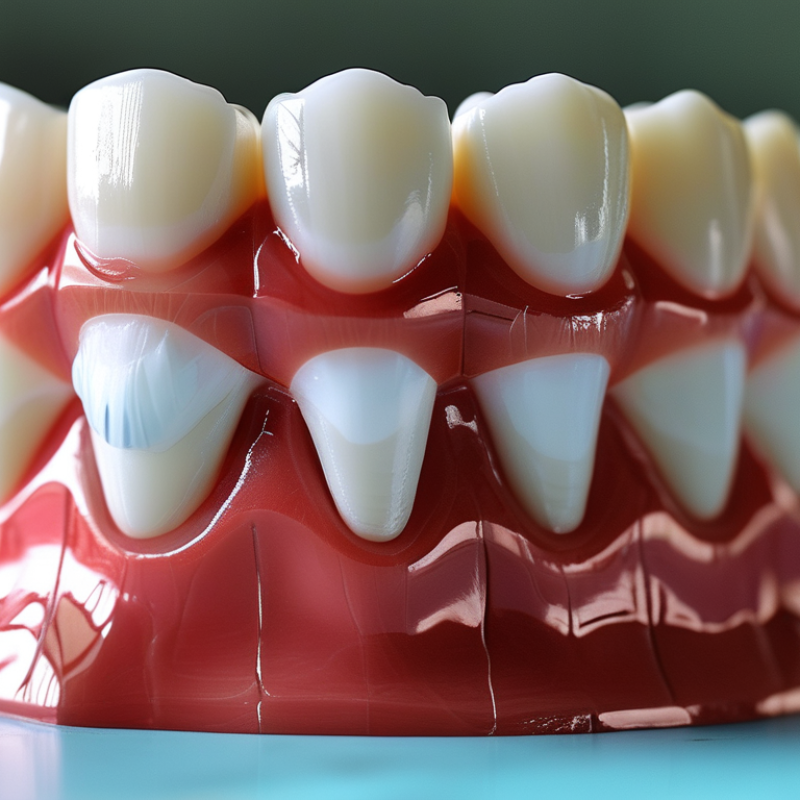
Why Are Teeth Whitening Devices Safe for Your Smile?

Understanding Teeth Whitening Devices and Their Safety Features

Teeth whitening devices have gained popularity for their efficiency and convenience. Understanding their safety features is crucial for anyone considering a brighter smile. Most at-home devices use safe bleaching agents. These ingredients lighten stains without harming the enamel.

Many devices include built-in timers and automatic shut-off features. This helps prevent overuse, reducing the risk of sensitivity. Many people experience discomfort after using whitening products. It’s essential to follow the instructions carefully to minimize these side effects. The effectiveness can vary from person to person, pointing to the importance of individualized approaches.

Some users may not achieve the desired results immediately. It can be frustrating to wait for a brighter smile. Regular use is often needed to see significant changes. It’s vital to consult with a dental professional before starting any whitening treatment. Personalized advice ensures the chosen method aligns with individual dental health needs.

How Teeth Whitening Products Work to Whiten Smiles Safely

Teeth whitening products use various ingredients to help brighten smiles without harming enamel. Many rely on hydrogen peroxide or carbamide peroxide, which penetrate the enamel and break down stains. These ingredients are effective when used correctly. Following instructions is crucial to avoid sensitivity or irritation.

Tips: Always perform a patch test before using any whitening product. This can help prevent unexpected reactions. Use a whitening product with a lower concentration if you have sensitive teeth.

Undergoing professional treatments can also ensure safety. Dentists offer tailored options based on your oral health. This minimizes risks associated with overuse or improper application. Remember that consistency is key. Maintaining results requires good oral hygiene and regular dental check-ups.

Tips: Limit foods that stain teeth after whitening. Coffee, tea, and red wine can negate your efforts. Rinse your mouth with water after consuming these beverages to reduce staining potential.

Common Ingredients in Teeth Whitening Devices and Their Effects

Teeth whitening devices have gained popularity, and their safety is often questioned. Understanding common ingredients can help consumers make informed choices. Many devices use hydrogen peroxide or carbamide peroxide as active whitening agents. Research indicates that hydrogen peroxide effectively penetrates enamel, breaking down stains. Studies have shown that concentrations of up to 10% are safe for home use, while higher levels are generally reserved for professional treatments.

Another prevalent ingredient is baking soda. This mild abrasive can assist in removing surface stains. It works by physically scrubbing the teeth while also neutralizing acids. Many users find it effective for light stains, but it might not provide significant results for deeper discoloration. On the other hand, some users might experience sensitivity or irritation. This variability in reactions highlights the importance of consulting with dental professionals before starting any whitening regimen.

Whitening gels often contain fluoride as well. Its inclusion can help strengthen enamel, which may become compromised during treatment. However, consumers should be aware that prolonged or excessive use of whitening products can lead to dental erosion. Balancing effective whitening with maintaining tooth health is crucial. It's essential to monitor your oral health and adjust your routine as needed.

Common Ingredients in Teeth Whitening Devices and Their Effects

Safety Measures and Recommendations for Using Whitening Devices

Teeth whitening devices can enhance your smile effectively. However, it's essential to follow safety measures when using them. Many people seek brighter teeth, but not everyone knows how to use these devices safely. Understanding your oral health is crucial before starting any whitening treatment.

When using a whitening device, ensure it is FDA-approved. This adds a layer of safety. Always read the instructions carefully. Some people experience sensitivity during treatment. If this happens, take a break and consult a dentist. They can guide you on the best practices for your teeth.

Tips: Start slowly. Use the device less frequently at first. Monitor how your teeth and gums react. Stay hydrated to minimize sensitivity. Maintaining a regular dental check-up habit is vital. This helps ensure your whitening journey is safe and effective. Remember, not all products are suitable for everyone. Listen to your body and prioritize your dental health.

Why Are Teeth Whitening Devices Safe for Your Smile? - Safety Measures and Recommendations for Using Whitening Devices

Safety Measure Description Recommendation
pH Neutral Formulation Whitening agents are formulated to maintain a neutral pH level to minimize enamel damage. Choose whitening products with pH-neutral formulations.
Sensitivity Testing Devices should undergo sensitivity testing to ensure they are safe for user’s teeth. Use devices that have been clinically tested for sensitivity.
FDA Approval Devices should be approved by regulatory bodies to guarantee their safety and effectiveness. Look for FDA-approved whitening devices.
Instructions for Use Detailed instructions help prevent misuse and maximize results. Follow manufacturer’s instructions closely.
Usage Frequency Guidelines on how often to use the device help reduce risk of overuse. Adhere to recommended frequency for best results.

Potential Risks and Myths About Teeth Whitening Procedures

Teeth whitening procedures are widely popular. However, there are potential risks and myths surrounding these treatments. Studies show that around 40% of people believe that whitening can weaken enamel. This concern is understandable but largely unfounded. Research from dental health authorities indicates that professionally supervised whitening methods are safe and effective when used correctly.

Another common myth is that over-the-counter kits are just as effective as professional treatments. In reality, concentration levels vary significantly. A report by the American Dental Association highlights that professional whitening options often contain higher concentrations of bleaching agents. This leads to faster results without the unwanted side effects. Despite the accessibility of DIY products, they may not provide the desired outcomes.

Sensitivity is another issue many fear. Some individuals report heightened tooth sensitivity after whitening. According to a survey published in the Journal of Dentistry, nearly 30% experienced temporary discomfort. This response is usually short-lived, resolving within days. Nonetheless, it serves as a reminder that personal experiences may differ and caution is advisable. Understanding these factors can help individuals make informed decisions about their whitening journeys.

FAQS

: What are common active ingredients in teeth whitening products?

: Common ingredients include hydrogen peroxide and carbamide peroxide, which effectively break down enamel stains.

How much hydrogen peroxide is safe for home use?

Concentrations up to 10% are generally safe for home whitening treatments.

Can baking soda effectively whiten teeth?

Baking soda can remove surface stains but may not work well on deeper discoloration.

What should I do if I experience sensitivity during treatment?

If you feel sensitivity, take a break from the treatment and consult a dentist for guidance.

Is fluoride beneficial in whitening gels?

Yes, fluoride can strengthen enamel, but excessive use of whitening products might lead to dental erosion.

Are over-the-counter whitening kits as effective as professional treatments?

No, professional treatments usually contain higher concentrations of bleaching agents for faster results.

How can I minimize sensitivity while using whitening devices?

Start slowly, use the device less frequently, and stay hydrated to help reduce sensitivity.

What is a common myth about teeth whitening and enamel health?

Many believe whitening weakens enamel, but research shows supervised methods are safe when used correctly.

How long does sensitivity usually last after whitening?

Sensitivity typically resolves within a few days, but individual responses may vary.

Why is it important to consult a dentist before starting whitening treatment?

A dentist can assess oral health and recommend the best practices for your unique dental needs.

Conclusion

Teeth whitening devices have become increasingly popular for those seeking a brighter smile, and understanding their safety features is crucial. These products are designed to work effectively by employing common ingredients like hydrogen peroxide or carbamide peroxide, which help break down stains on the enamel. With proper guidance, users can achieve noticeable results without compromising their dental health.

Safety measures and recommendations, such as following usage instructions and consulting with dental professionals, enhance Teeth Whitening Device Safety. While there are some potential risks and myths surrounding the use of these products, educating oneself about their ingredients and effects can mitigate concerns. Ultimately, with responsible use, teeth whitening devices can be a safe option for enhancing one's smile.

Sophia

Sophia

Sophia is a dedicated marketing professional with an exceptional depth of knowledge about her company's products and services. With a keen understanding of market trends and customer needs, she crafts insightful blog posts that not only inform but also engage readers, enriching the company’s online......