In the ever-evolving world of dentistry, maximizing clinic workflow efficiency is crucial. Innovative dental tools play a key role in enhancing practice operations. When used effectively, these tools can streamline processes, reduce wait times, and improve patient care.
Efficiency is not just about speed; it also involves accuracy and patient satisfaction. Advanced equipment can automate routine tasks, allowing staff to focus on complex procedures. However, integrating these tools requires thoughtful planning and training. Without proper implementation, the benefits may not be realized.
Many clinics struggle with outdated processes that hinder productivity. Examining current workflows is essential. This introspection can reveal areas for improvement. By embracing modern dental solutions, practices can achieve a significant boost in clinic workflow efficiency with dental tools. The journey towards efficiency may present challenges, but the rewards are invaluable for both staff and patients.
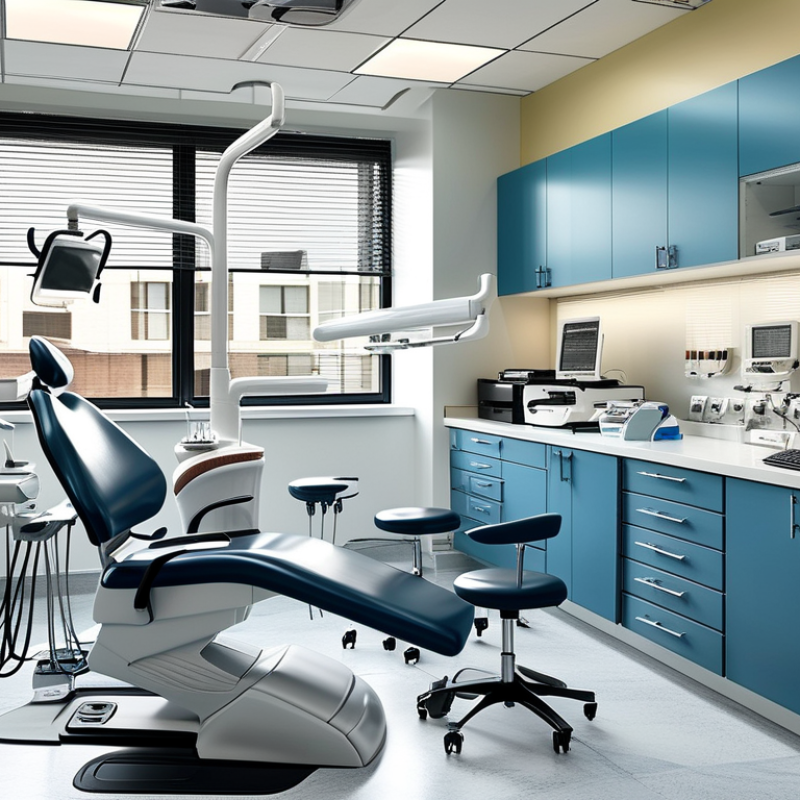
Innovative digital patient records management can significantly enhance clinic workflow efficiency. It minimizes paperwork and human errors. By transitioning to a digital platform, clinics streamline patient data access. Staff can retrieve records quickly. This saves valuable time during appointments.
Effective digital records require thoughtful implementation. Ensure your staff receives proper training on the system. Regularly updated software is vital for security and efficiency. Assess your digital tools frequently to identify areas for improvement. Collect feedback from your team and patients to refine processes.
Consider automating appointment reminders. This reduces no-show rates and improves patient attendance. Integrating digital forms can also speed up intake processes. By adopting these strategies, clinics can cultivate a more organized environment. Ultimately, it’s about finding the right balance between technology and personal touch.
Advanced imaging technologies are revolutionizing dental practices, enhancing workflow efficiency. According to a report by the American Dental Association, practices utilizing digital imaging can see a 20% increase in patient throughput. These technologies help in early diagnosis, enabling clinicians to detect issues before they escalate. For example, cone beam computed tomography (CBCT) allows for 3D imaging of teeth and surrounding structures, leading to more accurate treatment plans.
Integrating these tools, however, requires thoughtful consideration. Training staff on new technology takes time. A survey by the Journal of the American Dental Association found that 30% of practices face delays in implementation due to lack of training. Efficient use of these advanced tools can minimize patient waiting times. Moreover, patients often appreciate quick diagnosis and treatment.
Despite these advantages, some challenges persist. Not all clinics adopt these technologies effectively. The transition can disrupt workflows temporarily. A United Kingdom study reported that nearly 25% of clinicians felt overwhelmed by the advanced technology. Continuous evaluation is crucial to ensure that these innovations improve practice efficiency, rather than complicate it.
This bar chart illustrates the impact of advanced imaging technologies on the workflow efficiency of dental clinics over a 12-month period. The data shows a significant increase in efficiency since the integration of these technologies.
Effective clinic workflow is crucial for dental practices. One area that can significantly improve efficiency is automated appointment scheduling systems. These tools streamline the booking process, reducing administrative burden and minimizing errors. Staff can focus more on patient care instead of managing schedules.
Automated systems offer features like reminders and rescheduling options. Patients receive notifications through text or email, reducing no-show rates. However, it is essential to balance technology with personal interaction. Some patients prefer speaking directly with staff when scheduling appointments. Striking this balance can enhance patient satisfaction.
Implementation of such systems may come with challenges. Training staff to use new technology requires time and resources. Additionally, practices must ensure cybersecurity measures are in place to protect patient data. Regular feedback from the staff can reveal any issues and improve the process. Embracing innovation while reflecting on its impact can help clinics thrive.
Implementing dental practice management software can transform clinic workflows. This innovative approach streamlines multiple processes. Scheduling appointments, managing patient records, and handling billing become integrated tasks. Efficiency rises with a centralized system that minimizes manual errors.
In a recent case study, a dental clinic reported significant improvements after adopting new software. They experienced a 30% reduction in appointment cancellations. Staff members found it easier to access patient histories quickly. However, initial training posed challenges. Some employees felt overwhelmed by the transition. Reflection on their experience revealed the need for ongoing support during implementation.
Patient engagement also increased due to automated reminders. This feature reduced no-shows and improved overall productivity. Clinics must remember that technology is not a silver bullet. Customization is vital for addressing specific needs. Gathering feedback from both staff and patients ensures continuous improvement. Technology should enhance, not complicate, the dental practice experience.
Teledentistry has emerged as a powerful tool for enhancing patient communication. It allows for seamless interaction between dental professionals and patients, regardless of location. Online consultations can address concerns quicker, saving patients time and effort. These digital solutions enable dentists to provide timely advice, diagnosis, and even treatment options through virtual appointments. This innovation builds a bridge between specialist and patient, enhancing trust.
However, the implementation of teledentistry is not without challenges. While many patients appreciate the convenience, others may feel uncomfortable with technology. Issues like poor internet connectivity can hinder sessions, leading to frustration. Dental practices must navigate these obstacles, ensuring they select user-friendly platforms. They should also invest time in training staff to effectively use these tools.
Real-time communication fosters strong relationships. Patients feel included in their treatment plans, promoting better outcomes. However, the effectiveness of teledentistry relies on proactive engagement from both sides. Encouraging feedback will help refine the process. Dental professionals must stay updated on the latest features and functionalities that enhance the experience. Embracing innovation while being aware of shortcomings is key to maximizing clinic workflow efficiency.
: Digital records reduce paperwork and human errors. Staff can access patient data quickly. This saves time during appointments.
Proper staff training is vital for effective use. Regular software updates enhance security and functionality. Evaluate tools frequently for improvements.
Automating appointment reminders can help. This increases patient attendance and optimizes scheduling. It’s a simple yet effective strategy.
Digital forms speed up patient intake processes. They create a more organized environment. Efficiency improves as paperwork decreases.
They enhance diagnosis and increase patient throughput. Early detection leads to better treatment plans. 3D imaging provides accuracy in cases.
Training staff on new tools takes time. Some clinics experience delays due to inadequate training. Transitions can interrupt normal workflows.
Quick diagnoses lead to increased satisfaction. Patients appreciate timely treatment. However, balancing technology with human interaction is essential.
Regular assessment ensures technology effectively supports workflows. Innovations must simplify processes, not create more complexity. Feedback from staff can guide this.
Maximizing clinic workflow efficiency with dental tools is crucial for providing high-quality patient care while optimizing operational processes. By adopting digital patient records management, clinics can streamline information access and reduce paperwork, leading to smoother workflows. Advanced imaging technologies enhance diagnostic capabilities, allowing for quicker and more accurate treatment planning.
Moreover, implementing automated appointment scheduling systems improves patient flow and reduces gaps in the daily schedule, contributing to overall efficiency. A detailed case study on dental practice management software further illustrates how integrating these tools can significantly enhance clinic operations. Lastly, innovative teledentistry solutions facilitate improved patient communication, making consultations more accessible and efficient, ultimately driving better patient outcomes and satisfaction.

TRV Medical