Patient Safety With Dental Devices is a critical concern in modern dentistry. According to the World Health Organization, unsafe dental practices can lead to significant harm. In the United States alone, the FDA reported over 1,400 adverse events related to dental devices in the last five years. These statistics highlight the need for heightened awareness and adherence to safety protocols.
Dental devices, when used improperly or designed inadequately, can pose risks to patients. For instance, infections, allergic reactions, and mechanical failures might occur. A study published in the Journal of Dental Research identified that up to 20% of dental patients experienced complications from device use. Such data emphasizes the importance of stringent safety measures and professional training for dental practitioners.
Ensuring Patient Safety With Dental Devices requires continuous education and vigilance. Dental health professionals must remain updated on device recalls and emerging safety standards. Nevertheless, despite these efforts, lapses can occur. Acknowledging these imperfections is essential for creating an environment that prioritizes patient safety. This ongoing commitment to improvement and reflection is key to achieving better outcomes in dental care.
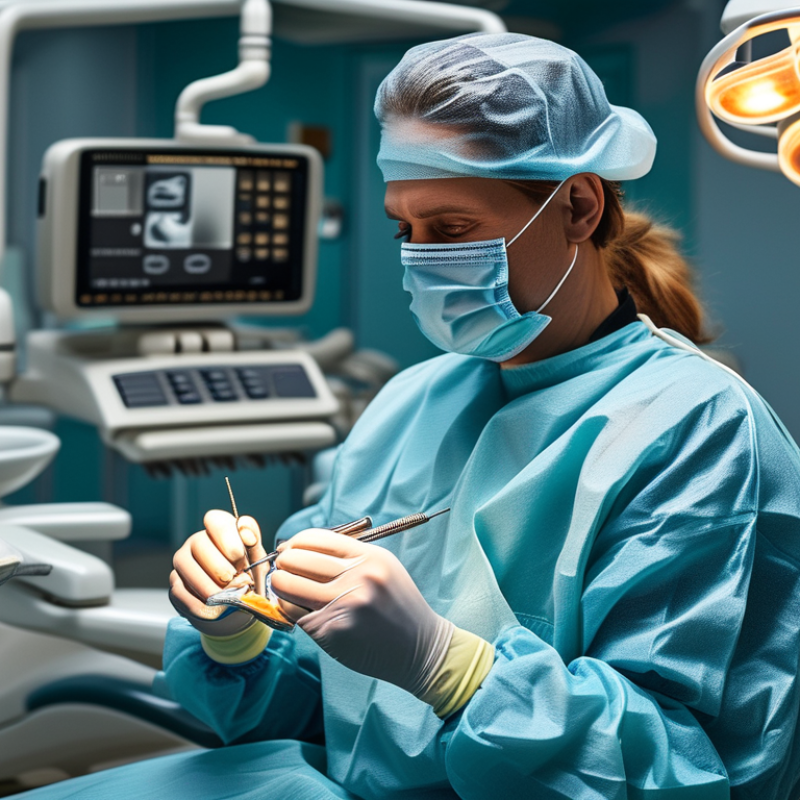
Patient safety is paramount in dentistry. The use of dental devices significantly impacts patient outcomes. These devices, from simple toothbrushes to complex orthodontic appliances, need to be effective and safe. Improper use or poor design can lead to complications. For instance, a misaligned retainer can cause discomfort and delay treatment.
Training dental professionals in safety protocols is essential. They must understand how devices work and potential risks involved. Clear communication between dentists and patients should be prioritized. Patients need to feel comfortable discussing issues related to dental devices. A transparent dialogue helps in identifying problems early, leading to quicker resolutions.
Despite stringent regulations, issues may arise. It's vital to continuously assess the effectiveness of dental devices. Regular monitoring can catch defects before they harm patients. Moreover, feedback from patients can provide valuable insights. Reflecting on patient experiences helps improve device design. Engaging in ongoing education keeps dental practices updated on safety standards.
Dental devices play a critical role in oral health. They are used for various purposes, from basic cleanings to complex surgeries. Common devices include dental implants, braces, and crowns. Each device serves a unique function and requires careful handling. Improper use can lead to complications.
Tips: Always consult a professional before using any dental device. Regular check-ups can prevent issues. Follow your dentist's advice and keep a record of any changes.
Many patients overlook the importance of cleaning dental devices. Accumulated plaque can cause infections. It’s essential to maintain hygiene to ensure the longevity of these tools. Some devices might be uncomfortable at first. Over time, many adapt, but discomfort shouldn’t be ignored.
Tips: Use designated cleaning tools. Be gentle during cleaning to avoid damage. If you experience pain, communicate it with your dentist promptly.
Dental devices play a crucial role in oral health, but they come with inherent risks. Studies have indicated that approximately 20% of dental device users experience complications. These can range from minor irritation to severe infections. According to a report by the American Dental Association, about 10% of adverse events in dental practices are linked to the use of dental devices. This statistic underscores the importance of patient safety in dental procedures.
Common risks associated with dental devices include allergic reactions, improper fittings, and infections. Allergic reactions can stem from materials used in devices, such as latex or certain metals. Improper fitting of devices, like dentures, can lead to discomfort or even oral injuries. Additionally, infection risks can arise from inadequate sterilization techniques. The Centers for Disease Control and Prevention emphasizes the need for strict infection control protocols to prevent such outcomes.
Tips for patients: Always discuss potential risks with your dentist. Ensure that equipment is properly sterilized before use. Regular check-ups can help catch any issues early. Remember, staying informed and proactive can greatly enhance your safety when using dental devices. Your health is worth the attention.
Regulatory standards play a crucial role in ensuring the safety of dental devices. Organizations worldwide set these standards for various reasons. They protect patients. They also ensure dental professionals can provide quality care. Compliance with these guidelines helps reduce risks associated with device failure or misuse. Each dental device must undergo rigorous testing before approval. This process evaluates safety, effectiveness, and usability, ensuring that devices perform as expected during treatments.
Tips for patients include asking your dentist about the devices used in your procedures. Always verify that your dentist follows updated safety guidelines. Additionally, look for any device recalls. Staying informed about potential risks keeps you aware and proactive.
Regulatory bodies continuously update their standards. They adjust based on new research and technological advancements. This constant evolution is key to improving patient safety. However, challenges still exist. Not all devices are equally scrutinized. Some may slip through regulatory gaps. Healthcare professionals must remain vigilant. They need to ensure the tools they use adhere to these safety measures.
Ensuring patient safety in dental care is paramount, especially with the use of dental devices. A recent report from the U.S. Food and Drug Administration (FDA) indicates that improper use of dental devices can lead to adverse events, impacting patient health significantly. Approximately 30% of reported incidents relate directly to device malfunction or incorrect handling. This emphasizes the need for strict adherence to best practices during patient care.
Training dental professionals is crucial. According to the American Dental Association, regular training sessions can reduce the risk of errors by 50%. Dentists and hygienists should familiarize themselves with the latest guidelines on device usage. Hands-on workshops can help reinforce knowledge and improve skillsets. Consistent education contributes to better patient outcomes.
Moreover, monitoring and reporting systems must be in place. Making sure that all unexplained incidents are reported can help identify patterns. A study published in the Journal of Dental Research states that practices with a robust reporting culture observed a 40% decrease in safety incidents over five years. Encouraging open discussions about safety can lead to improvements. Ensuring all team members feel their input is valuable can foster a culture of safety.
: Patient safety ensures that dental devices are effective and safe, preventing complications like discomfort or delayed treatment.
Training in safety protocols is crucial. Understanding device function and risks helps prevent improper use.
Clear communication fosters comfort in discussing issues with dental devices, leading to quicker problem identification and resolution.
Poor design may lead to complications, discomfort, and potentially delay treatment for patients.
Regular monitoring is essential to catch defects early, ensuring they do not harm patients over time.
Feedback helps improve device design and reflects on patient experiences to enhance safety and functionality.
Regular cleaning and maintenance are key. Hygiene prevents infections and ensures the longevity of dental tools.
Discomfort should not be ignored. It’s vital to communicate any pain to the dentist promptly.
Use designated tools, clean gently, and keep a record of any changes or discomfort you experience.
Regular check-ups can prevent issues with dental devices, ensuring ongoing safety and effectiveness for patients.
Patient safety with dental devices is a critical aspect of modern dentistry that cannot be overlooked. The integration of various dental devices, ranging from diagnostic tools to treatment implements, has significantly enhanced the quality of care provided to patients. However, it is essential to recognize the common risks associated with these devices, such as infections, incorrect usage, and material-related complications.
Regulatory standards play an imperative role in ensuring the safety of dental devices, mandating rigorous testing and monitoring to protect patient welfare. By adhering to best practices, dental professionals can enhance patient safety in their practice. This includes thorough training on device usage, regular maintenance and sterilization protocols, and adherence to safety guidelines. Ultimately, prioritizing patient safety with dental devices not only protects individuals but also fosters trust and confidence in dental care services.

TRV Medical