Articulators play a crucial role in dental labs. Their usage directly affects the quality of dental prosthetics. Proper articulation ensures that the movements of the jaw are accurately replicated. This precision impacts how well dental restorations fit and function in a patient's mouth.
The importance of articulator usage in dental labs cannot be overstated. It aids in the assessment of occlusion and overall dental alignment. Without this, dental technicians may struggle to create functional restorations. Inaccurate measurements can lead to complications. Adjustments later might increase costs and require additional time.
A well-calibrated articulator allows technicians to simulate real-life jaw movements. This simulation guides them in crafting better restorations. Despite advancements in technology, the basic principles of articulation remain essential. Understanding these tools and their limitations is vital. Continuous learning and improvement are key for technicians. The goal is to enhance patient outcomes through effective design and craftsmanship.
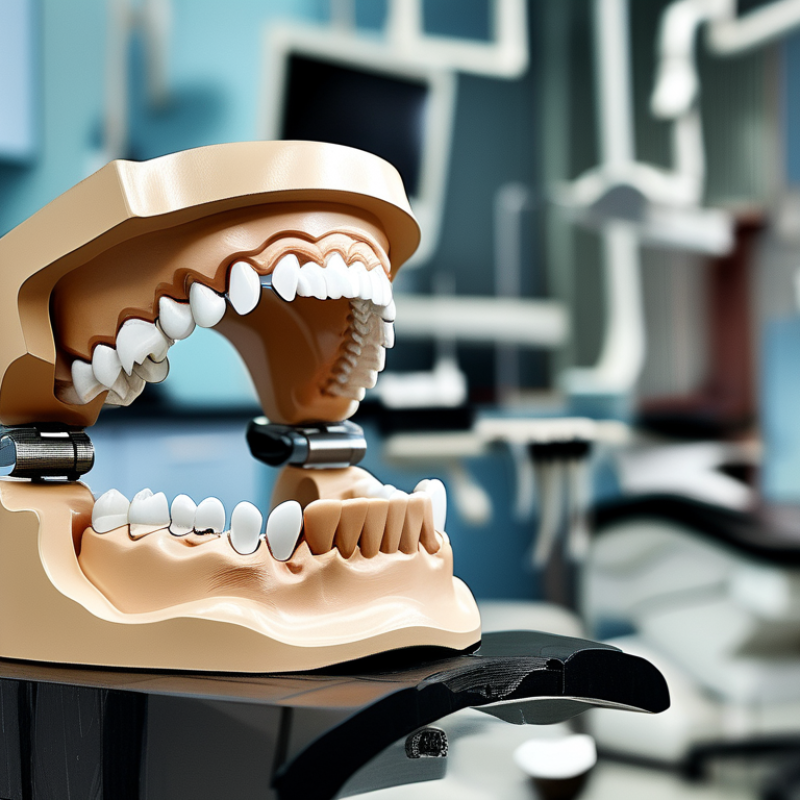
Articulators play a critical role in dental prosthetics. They are essential tools that simulate jaw movement. This allows dental technicians to create accurate dental prostheses. According to a study published in the Journal of Prosthetic Dentistry, proper articulator usage can improve the fit of dentures by up to 30%. This statistic highlights the importance of investing time in learning how to use these devices effectively.
Understanding the mechanics behind articulators helps professionals hone their skills. Complex articulators can replicate intricate movements of the jaw. This accuracy leads to better patient outcomes. Patients often report higher satisfaction levels when their prosthetics fit naturally. However, not all technicians fully grasp the capabilities of these tools. This can result in poorly fitted devices, causing discomfort.
Tips for clinicians: Always calibrate your articulator before use. Regular maintenance ensures consistent results. Also, consider seeking further education on the latest articulator technology. Continuous learning can lead to improved craftsmanship and patient satisfaction. Utilize peer consultations to gain insight into common challenges faced. This collaboration can enhance skill sets and address gaps in knowledge.
| Dimension | Details |
|---|---|
| Functionality | Helps in accurate occlusal relationship reproduction. |
| Types | Class I, Class II, and Class III articulators. |
| Material Compatibility | Compatible with various dental materials; enhances precision. |
| Adjustment Capabilities | Allows for fine-tuning of the occlusion. |
| Importance in Diagnosis | Essential for assessing tooth alignment and functionality. |
| Prosthetic Design | Critical in the design and fit of dental prosthetics. |
| User Training | Requires skilled technicians for optimal usage. |
| Impact on Patient Outcomes | Direct correlation to the comfort and functionality of dental prosthetics. |
: Articulators simulate jaw movement, aiding in creating accurate dental prostheses. They enhance the fit of dentures significantly.
Proper use of articulators leads to better-fitting prosthetics. Patients often report feeling more comfortable when restorations fit well.
Common types include simple, semi-adjustable, and fully adjustable articulators. Each serves different functions based on clinical needs.
Misuse can result in alignment issues, leading to discomfort for the patient. Proper training is essential to avoid these problems.
Continuous training is crucial. Many technicians report suboptimal results due to a lack of knowledge about articulator handling.
Always calibrate the articulator and ensure dental casts are mounted correctly. This prevents incorrect occlusion and discomfort.
Reflect on previous cases and identify errors. Continuous practice can refine skills and enhance the quality of dental work.
Choosing the correct articulator based on case complexity enhances precision. This affects both aesthetic and functional outcomes.
Common mistakes include improper mounting and using unsuitable models for complex cases. Such errors can lead to poor patient experiences.
Peer consultations provide insights on common challenges. Sharing experiences can help address knowledge gaps and improve overall skill sets.
The importance of articulator usage in dental labs cannot be overstated, as these devices play a crucial role in the precision of dental prosthetics. Understanding the role of articulators helps technicians simulate jaw movements accurately, allowing for better-fitting dental restorations. Different types of articulators, ranging from simple to highly adjustable models, cater to various procedural needs.
Accurate articulator usage in dental procedures contributes significantly to patient satisfaction by enhancing the functional and aesthetic aspects of dental work. However, common mistakes in articulator application can lead to complications and compromised results. As technology evolves, the future of articulators in dental labs looks promising, with advances aimed at improving accuracy and usability, ultimately benefiting both practitioners and patients.

 TRV Medical