Essential Dental Handpiece Maintenance Tips for Buyers?

Time:2026-05-07 Author:Ethan
0%

Maintaining dental handpieces is crucial for any dental practice. Proper care ensures longevity and optimal performance. Following a reliable Dental Handpiece Maintenance Guide is essential for buyers looking to make informed decisions.

Regular maintenance can prevent costly repairs and downtime. Many dental professionals underestimate the importance of cleanliness. Neglect can lead to reduced functionality and increased wear. Observing best practices can significantly extend the life of these tools.

Investing in knowledge about handpiece care is vital. Buyers should not only focus on acquiring high-quality instruments but also understand maintenance protocols. Awareness of proper techniques will enhance their practice's efficiency. A well-maintained handpiece can enhance patient trust and comfort. In a fast-paced environment, attention to detail matters immensely.
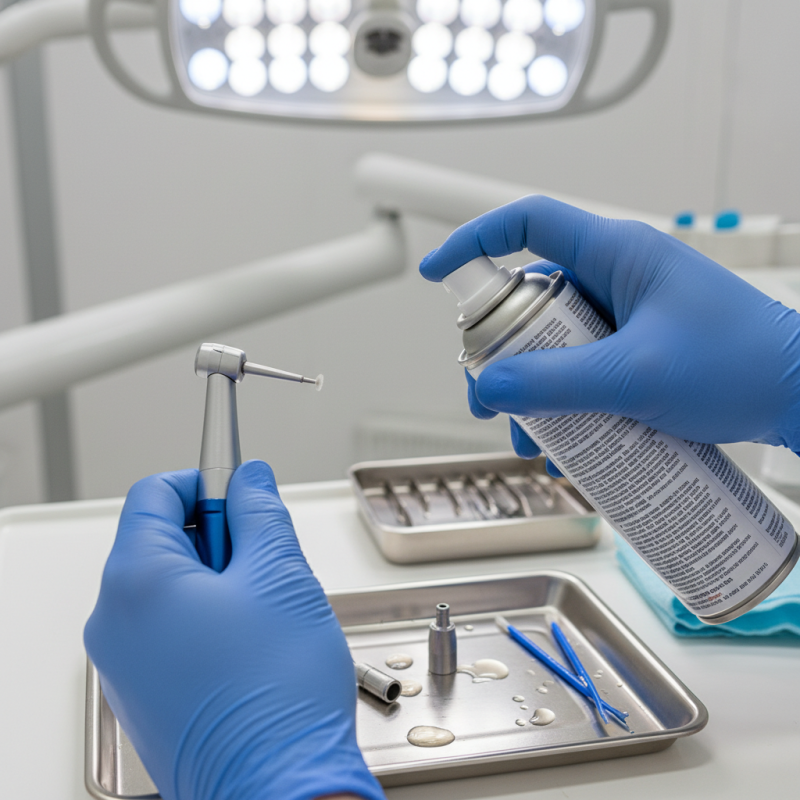
Essential Dental Handpiece Maintenance Tips for Buyers?

Understanding the Importance of Dental Handpiece Maintenance

Dental handpieces are vital in ensuring effective treatments. Proper maintenance significantly extends their lifespan. According to the American Dental Association, neglecting maintenance can lead to costly repairs and compromised patient safety. Regularly maintaining handpieces not only preserves functionality but also enhances patient outcomes.

Tips for maintenance include thorough cleaning after each use. Bacteria can build up if handpieces are not sanitized correctly. Additionally, it’s crucial to lubricate moving parts regularly. This reduces friction and wear, preventing potential breakdowns. The CDC recommends that handpieces should be cleaned in accordance with manufacturer guidelines to ensure optimal performance.

Consider investing in a quality maintenance system. Regular inspections can identify early signs of wear. Outdated equipment may not operate effectively, which can compromise treatment quality. Dental professionals need to reflect on their practices. Are handpieces meeting the standards required for safe patient care? A proactive maintenance routine can foster increased trust and satisfaction among patients.

Key Components of Dental Handpieces That Require Regular Care

Dental handpieces are crucial in providing effective patient care. Regular maintenance of key components ensures optimal performance. A well-maintained handpiece can significantly enhance treatment efficiency. Data shows that 30% of handpiece failures are due to improper maintenance.

Focus on bearings, turbines, andcouplings. Bearings are vital for smooth rotation. Their wear can cause friction and heat, damaging other parts. Turbines generate the high-speed rotation essential for dental procedures. Neglecting turbine care can lead to decreased performance. Couplings connect the handpiece to the dental unit. Regular inspection prevents potential leaks and failures.

Many practitioners overlook cleaning protocols. A 2021 survey found that 25% of dental offices do not follow proper cleaning procedures. This raises concerns about patient safety. Effective maintenance requires regular lubrication. This minimizes wear and prolongs the handpiece’s lifespan. To enhance longevity, consider a scheduled maintenance plan. Regular checks can identify wear before it becomes a problem. Each component’s care is essential for reliable operation.

Essential Dental Handpiece Maintenance Tips for Buyers

Component Maintenance Frequency Maintenance Tips Signs of Wear
Motor Every Use Clean and lubricate after each use. Unusual noises, reduced power.
Bur Chuck Weekly Check for debris and secure bur retention. Loose burs, difficulty in changing burs.
Water Spray System Monthly Flush out water lines and check for clogs. Inconsistent spray, blockage.
External Surface Daily Wipe down with disinfectant. Visible dirt or scratches.
O-Rings Every 6 Months Inspect and replace if damaged. Leaks, reduced durability.

Step-by-Step Cleaning Procedures for Dental Handpieces

Dental handpieces are vital tools in modern dentistry, requiring diligent maintenance. Regular cleaning is essential to prolong their lifespan and ensure optimal performance. A study by the American Dental Association (ADA) indicates that 40% of instrument failures stem from inadequate maintenance practices.

Begin by disassembling the handpiece according to the manufacturer's guidelines. Use a soft brush to remove debris from the exterior, followed by a lukewarm detergent solution. Pay close attention to any crevices where debris might accumulate. After cleaning, rinse thoroughly under running water. A surprising 60% of dental professionals skip rinsing, leading to biofilm buildup.

Once rinsed, lubricate the internal parts with a suitable dental lubricant. This step is critical; many users neglect it. Proper lubrication reduces wear and tear on components. Finally, sterilize the handpiece in an autoclave, ensuring it reaches the required temperature. Notably, studies show that nearly 50% of handpieces are inadequately sterilized, risking patient safety. Regular maintenance, adhering to these steps, enhances reliability and efficiency.

Essential Dental Handpiece Maintenance Tips

Common Maintenance Mistakes to Avoid with Dental Handpieces

Dental handpieces are crucial in providing effective dental care. However, many practitioners make common maintenance mistakes that can lead to equipment failure. One mistake is neglecting regular cleaning. Many think a quick rinse is enough. In reality, proper sterilization and disinfection are vital. Improper cleaning can lead to infections and damage the handpiece.

Another common error is overlooking lubrication. Proper lubrication keeps the handpiece functioning smoothly. When missed, it can lead to wear and tear. Additionally, technicians sometimes use wrong lubricants, causing more harm than good. This can result in costly repairs or replacements. Many even forget to check for wear in parts, believing their tools are fine.

Practicing a consistent maintenance routine can prevent these issues. Ensure that all staff members are trained in proper maintenance techniques. Regular checks and balances are also essential. Documenting maintenance schedules can help identify patterns of wear early on. Avoiding these maintenance pitfalls ensures that dental handpieces remain reliable tools in your practice.

Scheduling and Tracking Maintenance for Optimal Performance

Regular maintenance of dental handpieces is crucial for their longevity and optimal performance. Scheduling and tracking preventive maintenance can significantly reduce breakdowns and costly repairs. According to a report by the American Dental Association, well-maintained handpieces have a failure rate up to 70% lower than neglected ones. This emphasizes the need for a solid maintenance schedule.

To ensure effective performance, create a tracking system for your handpieces. Maintain a log that includes usage frequency, cleaning dates, and repairs. A simple spreadsheet can be very effective. Remember, neglecting issues can lead to decreased performance and poor patient satisfaction.

Tips: Clean handpieces after every procedure. Use approved cleaning solutions to avoid damaging internal parts. Inspect for wear and tear regularly. This proactive approach prevents larger issues later. Studies reveal that practices with consistent maintenance programs report higher patient retention rates, highlighting the correlation between tool reliability and patient trust. Keeping track of maintenance not only preserves your equipment but also enhances the overall patient experience.

FAQS

: Why is regular maintenance of dental handpieces important?

: Regular maintenance enhances performance and efficiency in dental procedures, ensuring patient care remains effective.

What components of a dental handpiece require care?

Key components include bearings, turbines, and couplings, as they are crucial for the handpiece’s function.

What happens if bearings are neglected?

Neglecting bearings can lead to friction and heat, which may damage other parts of the handpiece.

How does turbine care affect handpiece performance?

Proper turbine maintenance ensures high-speed rotation, critical for effective dental procedures.

What are the consequences of improper cleaning?

Improper cleaning can lead to infections and damage, undermining patient safety and equipment integrity.

How can lubrication affect the lifespan of a dental handpiece?

Regular lubrication minimizes wear, prolonging the handpiece's lifespan and maintaining efficiency.

Are there common mistakes in handpiece maintenance?

Yes, common mistakes include inadequate cleaning, improper lubrication, and neglecting to check for wear.

How can practices improve maintenance routines?

Training staff in maintenance techniques and documenting schedules can significantly enhance handpiece care.

What is a potential impact of not following cleaning protocols?

Neglecting proper cleaning can cause serious safety concerns for patients and lead to costly repairs.

What should practitioners reflect on regarding their maintenance practices?

Practitioners should consider if their cleaning and lubrication routines are truly effective and consistent.

Conclusion

In the "Dental Handpiece Maintenance Guide," understanding the significance of regular maintenance is crucial for ensuring optimal performance and longevity of dental handpieces. Key components, such as the turbine, couplings, and bearings, require consistent care to prevent breakdowns and maintain efficiency.

The guide outlines step-by-step cleaning procedures, which are essential to keep handpieces in top condition. It highlights common maintenance mistakes that practitioners should avoid, such as neglecting lubrication or improper cleaning techniques. Additionally, scheduling and tracking maintenance activities can significantly enhance the functionality of dental handpieces, allowing dental professionals to provide the best care for their patients. Regular attention to these practices will ensure that the instruments remain reliable and effective in the long term.

Ethan

Ethan

Ethan is a seasoned marketing professional with a deep expertise in our company's innovative product line. With a passion for sharing knowledge and insights, he takes the lead in regularly updating our corporate blog, where he explores industry trends, product features, and effective marketing......