How to Choose Home Dental Devices for Patient Education?

Time:2026-10-20 Author:Aria
0%

Choosing a home dental device is not simply a matter of selecting the newest model. An electric toothbrush, water flosser, interdental brush, or oral camera serves a different purpose. The right choice depends on oral health, hand control, age, treatment history, and daily habits. A device should solve a clear problem, not create another expensive routine.

Patient Education For Home Dental Devices begins with practical, evidence-informed guidance. Dental professionals can explain pressure sensors, brush-head replacement, water settings, charging needs, and cleaning procedures. They can also demonstrate use beside a bathroom mirror, where small errors become visible. For example, a user may press too firmly or aim a water flosser incorrectly. Clear instructions can prevent discomfort and improve consistency. Recognized dental organizations and qualified clinicians should support product recommendations whenever possible.

Safety matters more than impressive features. Users should check manufacturer instructions and seek professional advice after surgery, during orthodontic treatment, or with bleeding gums. A home device cannot diagnose disease or replace examinations. It may support better habits, but results depend on technique and regular use. No single checklist fits every household. Even experienced professionals may revise advice after observing real behavior. A quiet device may suit a shared apartment, while a simple handle may help someone with limited vision. Honest education includes limitations, maintenance costs, and signs that require dental care. This approach builds trust and helps patients choose tools they can use correctly for months, not merely purchase once.
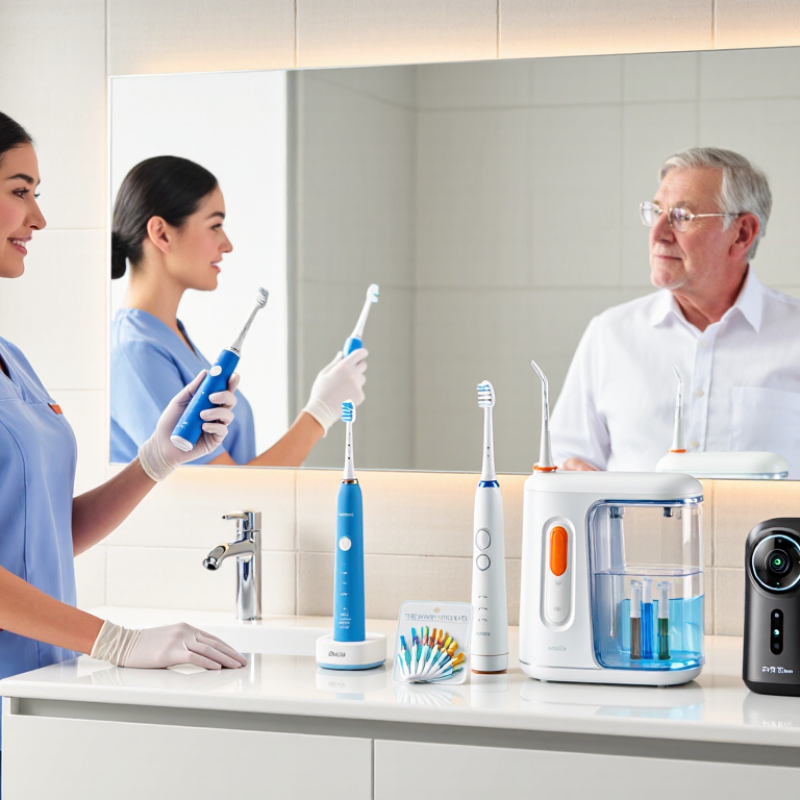
How to Choose Home Dental Devices for Patient Education?

What Are Home Dental Devices and How Are They Used?

Home dental devices are tools designed for daily oral care outside the dental clinic. They include electric or manual toothbrushes, interdental brushes, water flossers, oral mirrors, and protective night guards. Each device has a different purpose. A toothbrush removes plaque from visible tooth surfaces. Interdental tools clean narrow spaces that bristles often miss. Water flossers can help flush food debris around braces, bridges, or sensitive gums.

Use these devices gently and consistently. Brush for about two minutes, twice daily, with fluoride toothpaste. Angle the bristles toward the gumline, rather than scrubbing hard. For interdental brushes, choose a size that fits snugly without forcing it. A water flosser works best with the tip directed along the gumline at a comfortable pressure. Keep it moving. Do not share removable devices, and clean them according to the manufacturer’s instructions.

A home device cannot diagnose decay, gum disease, or jaw problems. A mirror may show redness, but it cannot explain the cause. A cleaner feeling does not always mean better plaque removal. That is easy to forget. Overusing pressure can irritate gums, while poor technique can leave plaque behind. People with implants, orthodontic appliances, bleeding gums, or dental pain should ask a qualified dental professional for personalised guidance. Replace worn brush heads and damaged parts promptly. Small mistakes matter.

How to Choose Home Dental Devices for Patient Education?

Home dental devices should support consistent plaque control and match the patient’s abilities, oral condition, dexterity, and professional recommendations. The chart shows common daily-use education targets, not a substitute for individualized dental advice.

Toothbrushing is generally recommended twice daily with fluoride toothpaste. Cleaning between teeth is typically performed once daily using floss, interdental brushes, or a water flosser. Removable dentures should be removed and cleaned daily.

How to Assess a Patient’s Needs Before Choosing a Device

Choosing a home dental device should begin with the patient, not the product. Ask what they struggle with during daily brushing. Bleeding gums, missed back teeth, sensitive areas, or limited hand movement may require different support. A patient with arthritis may need a lightweight handle and simple controls. Someone with low vision may benefit from large buttons and clear audio guidance. Children often respond better to visual timers and hands-on demonstrations.

Observe the patient’s routine when possible. Do they brush in a crowded bathroom? Can they recharge a device regularly? Will a family member help with cleaning or setup? These details matter. I have learned that an impressive device can fail when instructions feel complicated. A short trial may reveal more than a confident recommendation. The dental professional should check comfort, technique, and any irritation during follow-up visits. Evidence-based guidance is useful, but personal experience still exposes practical problems.

Tips: Match the device to one clear goal. Test grip, noise, charging, and cleaning requirements. Explain settings in plain language. Let the patient demonstrate the device before taking it home. Record questions after several days, not only during the appointment. Avoid promising perfect results. A device supports behavior; it does not replace professional assessment or consistent care. Reconsider the choice if the patient feels pain, confusion, or frustration.

Which Types of Home Dental Devices Suit Different Patients?

Choosing a home dental device starts with the patient, not the gadget. Nearly 3.5 billion people have oral diseases, according to the WHO Global Oral Health Status Report (2022). Their needs differ widely. A manual toothbrush suits patients with good dexterity and simple routines. A powered toothbrush may help older adults, patients with braces, or anyone struggling with brushing technique. A timer and pressure alert provide useful feedback. A Cochrane review found about 21% less plaque and 11% less gingivitis with powered brushing than manual brushing. Results still vary.

Patients with crowded teeth or braces may need interdental brushes. Larger gaps often require a bigger brush size, while tight spaces may need floss. Water flossers can support patients who dislike string floss or have limited hand control. They should not replace professional cleaning or dental advice. For children, use a small, soft brush and adult supervision. For patients with dry mouth, a gentle brush and moisture-supporting products may reduce discomfort. The CDC’s National Center for Health Statistics reported that about one in four U.S. adults aged 20–64 had untreated cavities during 2017–2020. Access and daily habits remain important. No device fixes everything.

Tips: Ask a dental professional to demonstrate the device. Check the patient’s grip, bleeding, and brushing pressure. Replace worn brush heads. Review progress after two weeks. A timer helps, but it cannot correct a rushed angle. That part is easy to overlook.

How to Choose Home Dental Devices for Patient Education? - Which Types of Home Dental Devices Suit Different Patients?

Patient Profile Primary Home-Care Need Suitable Device Type Why It May Help Education Points Important Limitations or Safety Notes
Most adults with healthy gums Daily plaque removal from tooth surfaces and along the gumline Manual toothbrush with soft bristles; fluoride toothpaste Accessible, low-cost, and effective when used with a consistent technique Brush twice daily for about two minutes, use gentle pressure, and angle the bristles toward the gumline Replace the brush or brush head when bristles become worn or approximately every three months; brushing does not replace cleaning between teeth
People who have difficulty maintaining brushing technique or duration Consistent brushing coverage and control of brushing pressure Powered toothbrush with a built-in timer; pressure feedback may be useful Timed operation and guided movement can support a more consistent routine Divide the mouth into sections, allow the brush to do the work, and use light pressure rather than scrubbing The device cannot compensate for missed areas; follow charging, cleaning, and replacement instructions
Patients with tight contacts between teeth Removal of plaque from narrow spaces where a toothbrush cannot reach Waxed or unwaxed dental floss, or another appropriately sized flossing aid Can clean contact areas that are too narrow for many interdental brushes Guide the floss gently below the gumline and curve it around each tooth without snapping it into the gums Bleeding that persists after several days of gentle, regular cleaning should be assessed by a dental professional
Patients with larger interdental spaces or gum recession Cleaning open spaces between teeth and under areas of exposed root surface Interdental brushes in sizes that fit comfortably without force Often provides effective mechanical cleaning in spaces that floss may not fill Use a size that contacts the sides of the space but does not bend forcefully or cause pain A dental professional should help select sizes; forcing a brush can injure soft tissue
Patients with braces, bridges, or other fixed appliances Cleaning around brackets, wires, pontics, and other difficult-to-reach areas Orthodontic floss threader, specialized interdental brush, or oral irrigator as an adjunct Helps access spaces that require cleaning around or beneath appliances Clean around every bracket and under bridge areas; use the device recommended for the appliance design An oral irrigator can help flush loose debris but should not be considered a complete replacement for mechanical interdental cleaning
Patients with limited hand dexterity, arthritis, or tremor Maintaining independent and thorough daily cleaning Powered toothbrush with a larger handle; floss holder or water flosser when appropriate A larger grip and powered movement may reduce the fine motor effort required Practice a stable grip, use a mirror, and consider caregiver assistance when safe and necessary The selected device must be easy to hold, clean, charge, and operate; caregivers should avoid excessive pressure
Children learning oral hygiene skills Developing consistent brushing habits and caregiver-supervised plaque removal Age-appropriate soft-bristled toothbrush; optional timer or visual plaque-disclosing aid under supervision Simple visual feedback can make missed areas easier to identify and explain An adult should supervise brushing and help with thorough cleaning until the child has adequate coordination Use only products suitable for the child’s age; disclosing products can temporarily stain tissues, clothing, or surfaces
Patients with sensitive teeth or exposed root surfaces Effective cleaning with reduced irritation from brushing Extra-soft toothbrush or powered toothbrush with pressure control; sensitivity toothpaste may be recommended Gentle bristles and controlled pressure can help limit mechanical irritation Use short, gentle strokes and avoid abrasive scrubbing; report persistent or localized sensitivity Sensitivity can have several causes, including decay or cracks, and should not be self-treated indefinitely
Patients with removable dentures or partial dentures Removing food debris and biofilm from dentures and cleaning the mouth Denture brush, denture-cleaning solution, and a separate soft toothbrush for natural teeth and gums Different brush designs help clean denture surfaces, clasps, and remaining natural teeth Remove and clean dentures daily, clean the gums and tongue, and follow the soaking product instructions Avoid very hot water, abrasive household cleaners, and unapproved soaking chemicals; have ill-fitting dentures checked
Patients at elevated risk of tooth decay Consistent plaque control and daily fluoride exposure Soft-bristled toothbrush or powered toothbrush with fluoride toothpaste; interdental cleaning aid as indicated Combines mechanical plaque removal with fluoride, which helps strengthen enamel and prevent decay Spit after brushing rather than rinsing extensively with water, unless a dental professional gives different advice Risk depends on diet, saliva, medications, and previous decay; individualized fluoride advice may be needed
Patients with bleeding or inflamed gums Gentle but thorough removal of plaque at the gumline and between teeth Soft-bristled toothbrush plus an appropriately sized interdental brush or flossing aid Regular plaque removal is important for gum health and can make problem areas easier to monitor Do not stop cleaning solely because of mild initial bleeding; use gentle technique and arrange an evaluation if bleeding continues Frequent, heavy, spontaneous, or persistent bleeding may indicate a condition requiring professional assessment
General selection principle: The best home dental device is one the patient can use safely, comfortably, and consistently. Device choice should be adapted to oral anatomy, dexterity, appliances, age, dental history, and advice from a dental professional.

How to Compare Safety, Effectiveness, Usability, and Cost

How to Choose Home Dental Devices for Patient Education?

Safety should be the first comparison point, especially when patients use devices without supervision. Choose equipment with clear instructions, rounded edges, stable power, and low heat output. Materials should tolerate regular cleaning without degrading. Avoid tools that require contact with irritated gums unless a dental professional approves them. Check whether electrical parts resist moisture. This detail is easy to overlook.

Effectiveness means more than attractive images or bright lights. A useful device should help patients identify plaque, brushing gaps, or missed surfaces. Its value should be observable during follow-up visits. Can the patient explain what they saw? Can they change one brushing habit? In education sessions, simple visual feedback often supports better conversations than technical language. Still, I once overvalued impressive features. Patient understanding mattered more.

Usability affects whether the device leaves the bathroom drawer. Look for a comfortable grip, readable controls, short setup time, and accessible instructions. Cleaning should take minutes, not special equipment. Cost includes replacement heads, batteries, software, storage, and support. A cheaper device may become expensive after repeated replacements. A higher-priced model may also offer little educational benefit. Compare total use over six or twelve months. Record patient feedback, even when it challenges the original choice.

How to Create a Practical Patient Education and Follow-Up Plan

A practical patient education plan should begin with the patient’s daily reality. The World Health Organization reports that oral diseases affect nearly 3.5 billion people worldwide. However, many patients still receive instructions they cannot easily use at home. Assess brushing habits, hand strength, vision, diet, dental history, and existing restorations before recommending a home dental device. A patient with limited dexterity may need a larger handle, clearer controls, or fewer settings. Demonstrate the device beside a sink, using a mirror and a timer. Then ask the patient to show the technique back to you.

Follow-up should be scheduled, not assumed. Send a simple written plan with cleaning steps, replacement guidance, and warning signs such as persistent bleeding, pain, or swelling. Review progress after two to four weeks. Record plaque disclosure results, missed areas, comfort, and patient confidence. The American Dental Association emphasizes individualized preventive advice, while Cochrane evidence suggests powered brushing can provide a modest reduction in plaque and gingivitis. The result depends heavily on consistent technique. A perfect device cannot repair an impractical routine.

Tips: Use one goal per visit. Photograph difficult areas when consent is provided. Ask, “What might stop you this week?” Adjust the plan instead of blaming the patient. Keep instructions visible near the bathroom mirror. I have found that patients often remember demonstrations better than brochures, though this should be checked rather than assumed. Reassess sooner when pain, bleeding, or reduced motivation appears.

FAQS

What are home dental devices used for?

Home dental devices support daily cleaning outside the dental clinic. They include toothbrushes, interdental brushes, water flossers, mirrors, and night guards. Each tool has a different purpose. No device replaces professional care.

How should I use a toothbrush at home?

Brush twice daily for about two minutes with fluoride toothpaste. Angle the bristles toward the gumline. Use gentle movements instead of hard scrubbing. Too much pressure can irritate your gums.

When are interdental brushes useful?

Interdental brushes clean spaces that regular bristles often miss. They can help with crowded teeth, braces, or wider gaps. Choose a size that fits snugly without forcing it. A tight space may need floss instead.

Can a water flosser replace regular flossing?

A water flosser can remove food debris near braces, bridges, and sensitive gums. Use comfortable pressure and guide the tip along the gumline. Keep the device moving. It should not replace professional cleaning or dental advice.

Which device may help people with limited hand control?

A powered toothbrush may support older adults or people struggling with brushing technique. A water flosser may also help users who dislike string floss. Timers and pressure alerts provide useful feedback. They cannot fix poor technique alone.

What should children use for home dental care?

Children should use a small, soft toothbrush. An adult should supervise brushing. Watch the grip, brushing angle, and pressure. A timer helps. It does not correct rushed movements.

How can patients compare the safety of dental devices?

Choose devices with clear instructions, rounded edges, and stable power. Electrical parts should resist moisture. Materials should tolerate regular cleaning without breaking down. Avoid contact with irritated gums unless a dental professional approves it.

Does a cleaner feeling prove better plaque removal?

No. A fresh feeling does not always mean effective cleaning. A mirror may show redness but cannot identify its cause. Follow-up checks can reveal missed surfaces and forgotten habits.

When should someone seek personalised dental advice?

Ask a qualified dental professional about implants, braces, bleeding gums, or dental pain. Professional guidance matters when symptoms continue. Home tools cannot diagnose decay, gum disease, or jaw problems. Small mistakes matter.

Conclusion

Choosing home dental devices begins with understanding what they are designed to do, such as supporting brushing, cleaning between teeth, monitoring oral habits, or improving daily care routines. The right choice should follow an individual assessment of the patient’s age, oral condition, dexterity, sensitivity, lifestyle, treatment goals, and ability to use the device correctly. Different patients may benefit from different device types, so selection should be personalized rather than based on convenience alone.

Patient Education For Home Dental Devices should explain proper operation, cleaning, storage, recommended frequency, and safety precautions in clear language. Dental professionals should compare each option according to effectiveness, comfort, ease of use, durability, maintenance needs, and overall cost. A practical follow-up plan can include demonstrations, written instructions, progress checks, and opportunities for patients to report discomfort or difficulties. Regular review helps confirm that the device remains suitable and supports consistent, confident home care.

Aria

Aria

Aria is a dedicated marketing professional with a deep passion for innovative strategies and a keen understanding of our company's product offerings. With a wealth of experience in the industry, Aria excels at crafting engaging content that highlights the unique features and benefits of our......