In recent years, dental implants have revolutionized restorative dentistry. However, optimizing dental implant procedures remains a complex challenge. Dr. Emily Carter, a leading expert in implant dentistry, emphasizes, "The key to success lies in meticulous planning and individualized care." This perspective highlights the nuances involved in achieving the best outcomes.
Practitioners must consider various factors such as bone density, patient health, and implant type. Each decision impacts the procedure's success and longevity. Many practitioners still face difficulties in addressing these complexities, which can lead to suboptimal results. A thorough assessment combined with advanced imaging techniques can enhance precision. Yet, even experienced professionals sometimes overlook essential details.
Moreover, continuous professional development is paramount. The field is ever-evolving, and staying updated on new techniques and materials is crucial. Patients deserve the best care, and optimizing dental implant procedures is a step toward achieving that goal. A commitment to learning and adapting practices can significantly improve patient outcomes. A reflective approach can further bridge the gap between theoretical knowledge and practical application.
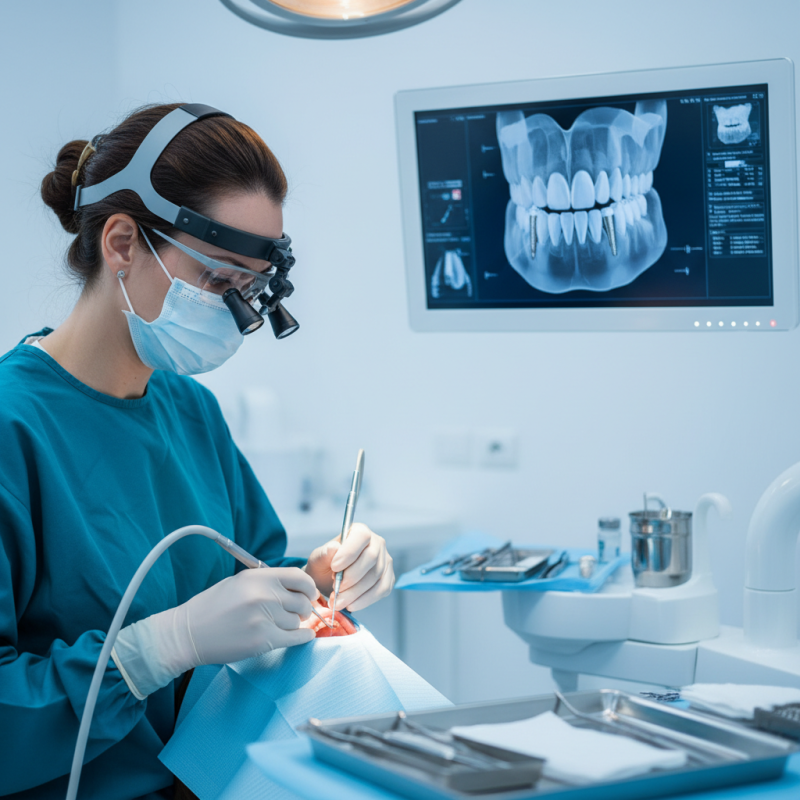
When considering dental implant procedures, thorough pre-operative assessments are essential. This phase determines overall treatment success. Clinicians should meticulously evaluate each patient's medical history. Understanding their past health conditions can reveal potential complications. An accurate assessment of oral health is equally important. This includes checking for gum disease or bone density.
Radiographic examinations provide crucial insights. They help identify the precise location for implants. These images guide the choice of implant size and type. A detailed examination of the patient's occlusion also aids planning. Proper alignment impacts the functionality of the dental implant. Sometimes, patients may present with jawbone insufficiency. Reflecting on bone grafting options becomes necessary in such cases.
Communication between the dental team and patient is key. Clear discussions about expectations can prevent misunderstandings later. Patients must be educated about their role in the healing process. It is essential to encourage them to follow post-operative care instructions. Regular follow-ups can further help in monitoring progress. A reflective approach ensures learning from any complications that arise.
Dental implants have gained popularity due to their ability to restore function and aesthetics. However, the success rates of these procedures vary significantly. A range of factors influences these outcomes, and understanding them can lead to better patient experiences.
Bone loss is a significant concern during dental implant procedures. Optimizing techniques to minimize this loss is crucial for ensuring long-term success. A primary approach is using immediate implant placement after tooth extraction. This method helps preserve the bone structure. The surrounding tissues also benefit from this technique, reducing potential complications.
Additionally, utilizing bone grafting can enhance the implant site. Bone grafts can help rebuild areas where bone loss has already occurred. They provide a scaffold for new bone growth. Autogenous grafts, taken from the patient's own body, often yield the best results. However, this approach can be more invasive and may require careful planning.
Another technique is the use of specialized implant designs. Some implants are wider or have a different shape. These are engineered to maximize surface area and engage more bone. This design can lead to better stability and integration. A thorough assessment of the patient's bone density is necessary. Understanding the unique anatomy and condition ensures tailored solutions. Each case presents unique challenges, and reflection on past experiences can guide future procedures.
This chart illustrates the effectiveness of various techniques in minimizing bone loss during dental implant placement based on studies conducted from 2021 to 2025.
Innovative technologies are transforming dental implant surgery, increasing accuracy and efficiency. 3D imaging, for example, offers detailed views of a patient's dental structure. This advancement allows for more precise planning of implant placement. According to a recent study, 3D imaging can improve surgical outcomes by up to 40%. Surgeons gain a clearer understanding of bone quality and density, leading to fewer complications.
Robotic-assisted surgery is another breakthrough in this field. These systems enhance the precision of implant placement. Research indicates that using robotic assistance can reduce the error margin to less than 1 millimeter. While the technology promises better results, it requires careful calibration and training. Surgeons must adapt to working alongside machines, which is not always straightforward.
Navigating these innovations presents challenges. Not all dental practices can afford the latest tools. Smaller clinics might struggle to keep up with rapid advancements. Furthermore, patient acceptance varies. Some individuals may hesitate to embrace new technologies. Despite potential benefits, a thoughtful approach is essential to integrate these innovations effectively into clinical practice.
Post-operative care is crucial for the success of dental implants. Studies indicate that proper care can significantly enhance healing. A survey by the American Academy of Implant Dentistry found that 10% of dental implants fail due to insufficient post-op care. Patients should prioritize oral hygiene to maintain a clean healing environment. It is essential to brush gently around the implant site and use an antibacterial mouth rinse.
Diet plays a vital role in recovery. Soft foods are recommended initially, as hard or crunchy foods could stress the site. Consuming protein-rich foods aids healing and tissue regeneration. Additionally, staying hydrated is vital for recovery. It is worth noting that neglecting these guidelines can lead to complications, including inflammation and infection. As per the Journal of Oral Implantology, 28% of implant failures are linked to post-operative neglect.
Follow-up appointments cannot be overlooked. Regular check-ups help monitor the healing process and catch any potential issues early. Patients should also be aware of symptoms like prolonged pain or swelling. Addressing these concerns promptly can prevent further complications. Adapting to these guidelines enhances the longevity of the implant and overall oral health.
| Tip | Description | Importance Level | Recommended Duration |
|---|---|---|---|
| Maintain Oral Hygiene | Brush and floss regularly to prevent infection. | High | Ongoing |
| Follow Dietary Recommendations | Avoid hard foods and take a soft food diet for initial weeks. | Medium | 4-6 Weeks |
| Attend Follow-Up Appointments | Ensure regular check-ups to monitor healing and implant success. | High | Ongoing |
| Manage Pain Effectively | Use prescribed pain medications and apply ice packs as needed. | High | As Needed |
| Avoid Smoking | Quit smoking to promote better healing and implant success. | Very High | At Least 3 Months Pre/Post Procedure |
| Stay Hydrated | Drink plenty of water to support overall health and recovery. | Medium | Ongoing |
: Bone quality, patient health, and post-operative care significantly influence the success of dental implants.
Insufficient bone density can lead to complications, necessitating extra procedures like grafting.
Conditions such as diabetes or smoking can slow healing and affect the implant’s overall success.
Maintaining oral hygiene is crucial. Gentle brushing and using antibacterial rinses can aid healing.
Soft foods are recommended initially. Protein-rich foods help with healing while hydration is also essential.
Improper care can lead to inflammation, infection, and even implant failure.
Regular check-ups are necessary to monitor healing and catch any issues early.
Symptoms like prolonged pain or swelling should be addressed quickly to prevent complications.
An informed patient is more likely to follow care instructions and maintain long-term implant health.
Some may underestimate the importance of hygiene or ignore dietary recommendations during recovery.
The article "2026 Best Tips for Optimizing Dental Implant Procedures" provides a comprehensive guide aimed at improving the overall success and efficiency of dental implant surgeries. It highlights best practices for pre-operative assessments, ensuring that candidates are thoroughly evaluated to maximize implant success. A statistical overview is presented, discussing various factors that influence success rates, emphasizing the importance of patient selection and precise planning.
Additionally, the article explores techniques designed to minimize bone loss during the placement of implants, as well as innovative technologies that enhance the precision of surgical procedures. Lastly, it outlines crucial post-operative care guidelines that contribute to optimal recovery and the longevity of dental implants. Overall, these insights serve as essential strategies for optimizing dental implant procedures and ensuring favorable patient outcomes.

TRV Medical