Choosing the right ultrasonic scaler is crucial for dental professionals. With advancements in technology, various models are now available. Each scaler has unique features, making the selection process challenging.
When choosing the right ultrasonic scaler, consider your specific needs. Factors like power settings, tip variety, and ergonomics play major roles. A well-suited scaler can enhance your efficiency and patient comfort. However, not every model will meet your exact requirements.
Reflect on your experiences and adjust as needed. Are you prioritizing portability over power? Are you familiar with different tip attachments? These reflections can guide you in making informed decisions. Ultimately, the right choice can significantly impact your practice's success.
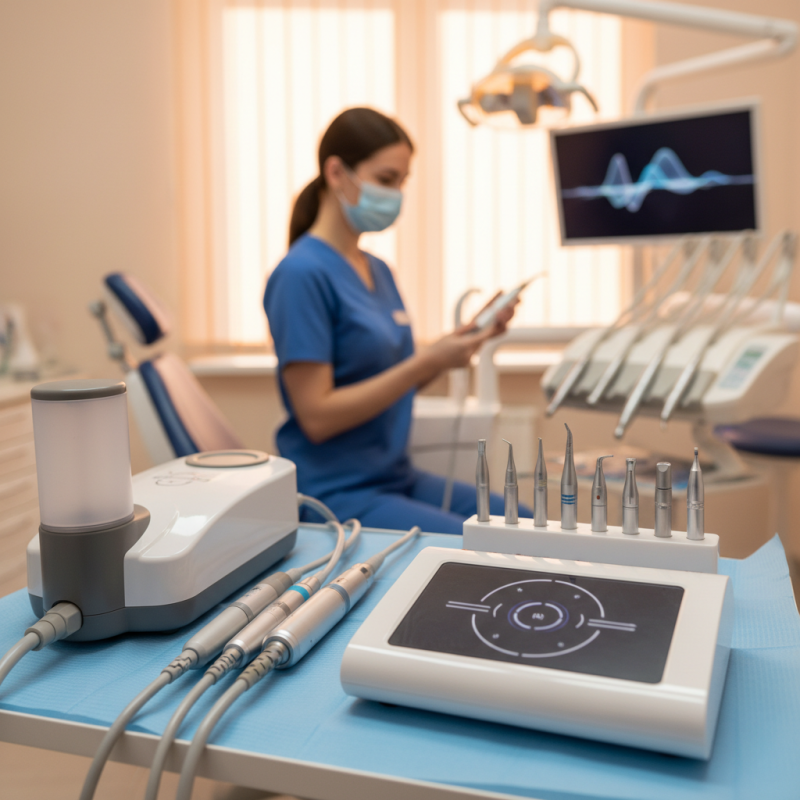
When selecting an ultrasonic scaler, understanding key features is crucial. The scaling frequency is an essential factor. Most devices operate between 25 kHz to 30 kHz. Choosing a scaler with adjustable frequency can enhance your adaptability during procedures. Reports indicate that a higher frequency often leads to more efficient calculus removal, making this an important aspect to consider.
Another important feature is the water supply system. An integrated water irrigation system helps keep the treatment area clear. The flow rate can impact visibility during procedures. It's worth noting that improper water flow settings can lead to diminished performance and patient discomfort. A unit that allows easy adjustments is beneficial.
Consider the weight and ergonomics of the scaler. Heavier models can strain wrists during extended use. According to industry studies, dentists working with lightweight ultrasonic scalers report less fatigue. This can lead to improved concentration and patient care. Reflecting on ergonomics is essential to ensure long-term comfort and efficiency in practice.
When choosing an ultrasonic scaler, understanding the different types is crucial. There are primarily three types: magnetostrictive, piezoelectric, and sonic scalers. Each type has specific uses that can significantly impact dental procedures.
Magnetostrictive scalers utilize a vibrating metal tip, making them suitable for heavy calculus removal. They are effective but can generate more heat, requiring careful usage to avoid damaging sensitive tissues.
Piezoelectric scalers, on the other hand, use ceramic crystals to vibrate. They provide a gentler approach and are ideal for periodontal treatments. The precision of these scalers allows for thorough cleaning in deeper pockets, which is essential for maintaining oral health. However, they may not perform as well on heavier deposits, prompting some reflection on their limitations.
Sonic scalers operate at lower frequencies and are often the least aggressive option. They are practical for routine cleanings and plaque removal. However, their efficiency can diminish with tougher deposits. Choosing the right scaler involves considering the specific needs of the patient and the context of the treatment. Each type presents unique strengths and challenges that dental professionals must weigh carefully.
When selecting an ultrasonic scaler, understanding frequency and power options is crucial. Frequencies typically range from 25 kHz to 40 kHz. Lower frequencies may be suitable for heavy calculus removal, providing more aggressive cleaning. However, higher frequencies are often better for more delicate procedures. They produce finer vibrations that minimize trauma to the surrounding tissues.
Power settings also play a vital role. According to industry reports, an ultrasound scaler with adjustable power can enhance performance. Lower power is ideal for soft deposits, whereas higher power settings are effective for stubborn calculus. Many practitioners recommend a balance, ensuring effectiveness without damaging enamel or periodontal tissue. A study highlighted that a power range of 30-50% led to optimal cleaning while maintaining patient comfort.
Commonly, users overlook the importance of tuning the device based on specific conditions. Each patient's needs may vary, and a one-size-fits-all approach is often ineffective. It requires evaluating the situation rather than sticking to familiar settings. A nuanced understanding of frequency and power can elevate the quality of care, yet adaptation remains essential to avoid mishaps during treatments.
Choosing the right ultrasonic scaler involves more than functionality; comfort is crucial. Ergonomics impacts the long-term health of dental professionals. A poorly designed scaler can lead to hand fatigue and musculoskeletal disorders. According to a report by the National Institute for Occupational Safety and Health (NIOSH), over 20% of dental professionals experience some form of discomfort related to their tools.
When evaluating ergonomic features, consider the weight and grip of the scaler. A lightweight design minimizes strain while a comfortable grip enhances control. Look for scalers that balance well in your hand and allow for varied hand positioning. Small adjustments in instrument design can lead to significant improvements in comfort.
Here are some tips: Test different models to find what feels right during prolonged use. Keep an eye on the flexibility of the scaler’s neck; a more dynamic neck can reduce wrist strain. Regular breaks are vital, even with the best-designed tools, to refresh your hands and avoid fatigue. A focus on ergonomics will contribute to better patient outcomes and a healthier practice environment.
When considering ultrasonic scalers, budgeting and cost analysis are crucial. An ultrasonic scaler can range significantly in price. Professional dental tools often require a larger investment. However, cheaper models might not offer the same longevity or effectiveness.
Evaluate the initial cost versus long-term expenses. Some low-cost scalers might need frequent replacements or repairs. Factor in maintenance costs too. A reliable unit can save money over time by minimizing downtime and ensuring efficient cleaning.
Think about the features you need. Basic models might be less expensive but could lack essential functions. Alternatively, advanced units may come with a higher price tag but offer better performance. Review your practice needs thoroughly. This careful analysis can lead to informed budget decisions, ensuring you choose the right tool without overspending.
: Most devices operate between 25 kHz to 30 kHz, with adjustable frequency being preferable for different procedures.
An integrated water system keeps the area clear, but improper settings can lower performance and increase patient discomfort.
Heavier models can cause wrist strain. Lightweight scalers often lead to less fatigue and better concentration for the dentist.
Adjustable power is key. Lower settings suit soft deposits, while higher settings work for stubborn calculus.
No, a one-size-fits-all approach is ineffective. Each patient's needs differ, requiring adjustments based on their specific situation.
Poorly designed tools can lead to fatigue and musculoskeletal disorders, impacting long-term health and performance.
Focus on weight, grip comfort, and balance in hand positioning. Small design adjustments can enhance overall comfort.
Regular breaks refresh hands and prevent fatigue, even when using well-designed tools. This promotes better practice health.
Test different models for comfort in prolonged use. Check the flexibility of the scaler’s neck to reduce wrist strain.
A power range of 30-50% is often recommended for effective cleaning while maintaining patient comfort and avoiding damage.
Choosing the right ultrasonic scaler is essential for dental professionals looking to enhance their efficiency and patient care. When selecting an ultrasonic scaler, it is crucial to consider key features such as the type of scaler, its frequency and power options, and how these factors influence specific uses in practice. Each type serves different purposes, from general cleaning to scaling in more challenging conditions, necessitating a thorough understanding of what will best fit your needs.
Moreover, evaluating the ergonomics and design of the scaler is vital for ensuring comfort during extended use. The right ergonomic design can reduce operator fatigue and enhance precision. Additionally, a careful budgeting and cost analysis can help ensure that you make a fiscally responsible choice without compromising quality. By reviewing these aspects, dental professionals can make an informed decision that will enhance their practice and provide better outcomes for their patients.

TRV Medical