In recent years, oral care has evolved significantly. Among the various methods, oral irrigation techniques have gained popularity for their effectiveness. Understanding these techniques and their benefits can empower individuals to improve their oral hygiene.
Oral irrigation techniques involve the use of devices that deliver pulsating streams of water. This action helps to remove food particles and plaque from hard-to-reach areas. Studies show that these methods can be more effective than traditional flossing. Many people discover that using an oral irrigator reduces gum bleeding and bad breath.
However, not everyone achieves the same level of improvement. Some may struggle to incorporate these methods into their daily routines. It’s essential to evaluate personal habits and preferences. Learning about oral irrigation techniques and benefits is crucial for informed decision-making regarding dental care. Ultimately, the right technique can lead to a healthier, brighter smile.
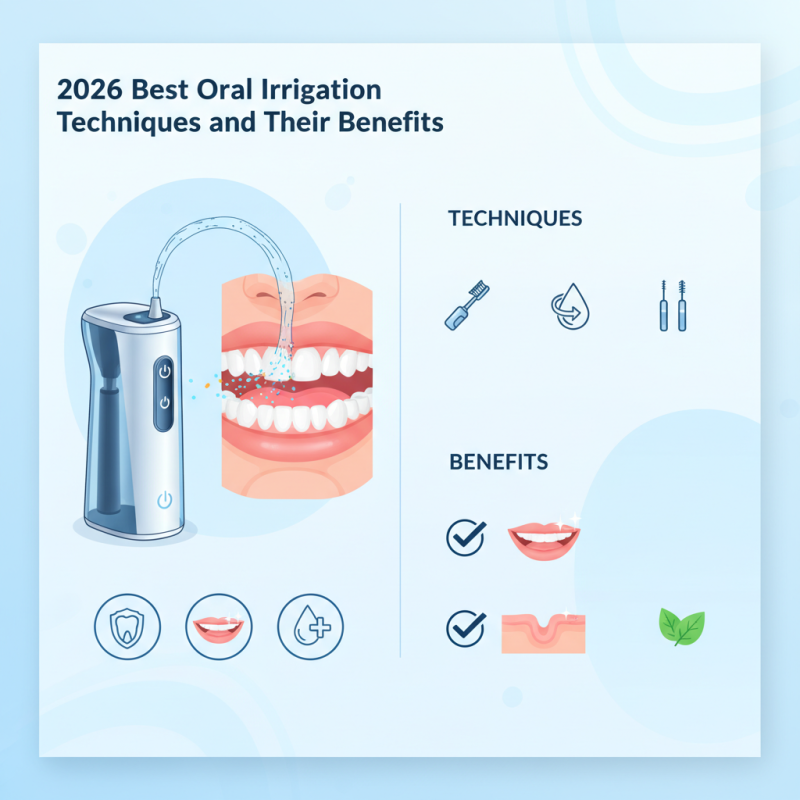
As we move toward 2026, oral irrigation techniques are evolving rapidly. The focus is on personalized care. People now prefer methods tailored to their specific needs. This shift enhances effectiveness and user satisfaction.
Water flossers are gaining popularity. They provide a gentle and efficient way to clean between teeth. Many users report less bleeding and discomfort compared to traditional flossing. Some techniques use pulsating water pressure. This not only removes plaque but also stimulates gum health.
Another trend is the integration of technology. Smart oral irrigation devices track usage and adjust pressure based on user feedback. They promote a deeper understanding of oral health, yet some users find them complex. It is important to weigh the benefits against the learning curve. Individual experiences will vary, reminding us to remain open-minded as we explore these advancements.
This chart illustrates the effectiveness of various oral irrigation techniques based on user satisfaction and dental health improvement indicators.
Effective oral irrigation techniques play a crucial role in dental care. Studies show that up to 80% of gum disease cases are preventable with proper oral hygiene. Oral irrigation systems, such as water flossers, can significantly reduce plaque and gingivitis when used consistently. A study published in the Journal of Clinical Dentistry reported that using these devices led to a 29% reduction in plaque after just a month.
Understanding the principles behind oral irrigation is essential. The mechanism involves delivering a pulsating stream of water to effectively remove food particles and debris between teeth. This action reaches areas that traditional brushing may miss. A report from the American Dental Association emphasizes that oral irrigation can enhance the effectiveness of daily brushing and complement regular dental visits. However, it is important to remember that inadequate technique can limit results.
Timing and technique matter in oral irrigation. Many users might rush through this process, reducing its effectiveness. The way water is directed at the gum line can influence plaque removal. Patients should aim for a 30-second routine for optimal results. Research indicates that when patients prioritize their oral irrigation, they experience notable improvements in gum health within weeks. Individuals should reflect on their habits and consider integrating oral irrigation into their daily routine for better outcomes.
When considering oral irrigation techniques, the choice between pulsating and continuous flow devices is crucial. Pulsating devices deliver bursts of water at varying pressures. This method effectively dislodges food particles and plaque from the gum line. Research indicates that pulsating irrigators can reduce gingival inflammation by around 30% in just two weeks. Their efficiency in targeting affected areas makes them a preferred choice for many patients.
On the other hand, continuous flow devices provide a steady stream of water. While offering consistent cleaning, they may not penetrate as deeply into gum pockets. Some studies suggest that continuous flow lacks the efficiency seen in pulsating systems for removing debris trapped in tight spaces. Users might notice that, although it feels soothing, the results may not match the pulsating method’s effectiveness in combating plaque build-up. Those seeking thorough oral care should carefully weigh these options.
Regular oral irrigation has gained attention in recent studies for its numerous clinical benefits. Evidence suggests that it effectively removes debris and bacteria from hard-to-reach areas, reducing the risk of gum disease. Participants in recent clinical trials showed significant improvement in gum health after consistent oral irrigation. The reduction of plaque and inflammation can lead to fewer visits to the dentist and overall better oral hygiene.
Tip: Use warm water during irrigation. It can feel more comfortable and encourages regular use. Make sure to angle the irrigator properly to target specific areas effectively.
While oral irrigation can enhance oral care, it is not a substitute for brushing and flossing. Patients should still maintain their daily routines. Oversight in technique can lead to discomfort or inadequate cleaning. Take time to learn the best methods combined with your existing practices for optimal results.
Tip: Practice regular maintenance on your device. Clean it after each use to prevent bacterial buildup. Ensuring your equipment remains in top condition will benefit your oral health journey.
Choosing the right oral irrigator in 2026 involves considering key features.
Portable size is important for travel ease. Look for models with
adjustable pressure settings.
This feature provides versatility for different needs. A built-in timer ensures you spend enough time on each
section of your mouth, enhancing your cleaning routine.
Many people overlook the importance of
water reservoir capacity. A larger capacity means fewer refills
during use. Additionally, check for
ease of cleaning. Some models come apart easily, making
maintenance a breeze. This is crucial for long-term hygiene.
Tips: Always think about your comfort. Choose a model
that feels good in your hand. The noise level can also matter. A quieter device can make your routine
more pleasant. Reflect on your habits, too. Are you consistent? The best device won’t help if you
don’t use it regularly. Make oral irrigation part of your daily life for optimal benefits.
: Pulsating devices use bursts of water, while continuous flow devices provide a steady stream for cleaning.
Studies show they can reduce gingival inflammation by about 30% within two weeks.
Continuous flow may not penetrate gum pockets as well as pulsating devices, possibly leaving debris behind.
Regular use can reduce plaque and bacteria, improving gum health and reducing dentist visits.
Yes, oral irrigation complements brushing and flossing but should not replace them.
Use warm water for comfort and angle the device to target specific areas effectively.
Inadequate technique may lead to discomfort or insufficient cleaning, affecting your oral health.
Clean after each use to prevent bacterial buildup and ensure effective performance.
The article titled "2026 Best Oral Irrigation Techniques and Their Benefits" provides a comprehensive overview of the latest trends and best practices in oral irrigation. It emphasizes the importance of understanding the principles behind oral irrigation for effective dental care. A comparative analysis of pulsating versus continuous flow devices reveals how each technique can impact overall oral hygiene. Recent clinical studies highlight the significant benefits of regular oral irrigation, showcasing its role in improving gum health and reducing plaque buildup.
Furthermore, the article outlines key features to consider when selecting an oral irrigator in 2026, ensuring users can make informed decisions based on their individual needs. By exploring various oral irrigation techniques and their corresponding benefits, readers are equipped with valuable insights to enhance their dental care routines and maintain optimal oral health.
TRV Medical